



















Mastering Thermal Camera Modules for 2026: A Technical Guide to Integration and Performance
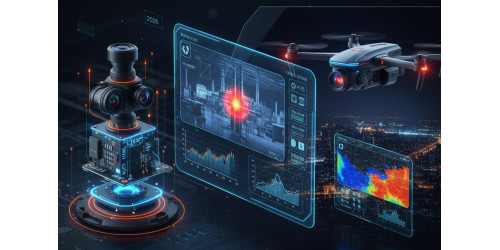
Thermal imaging is no longer the exclusive domain of military operations or high-budget industrial facilities. What once required specialized training and six-figure investments has evolved into modular, accessible technology that engineers can integrate into products within weeks, not months.
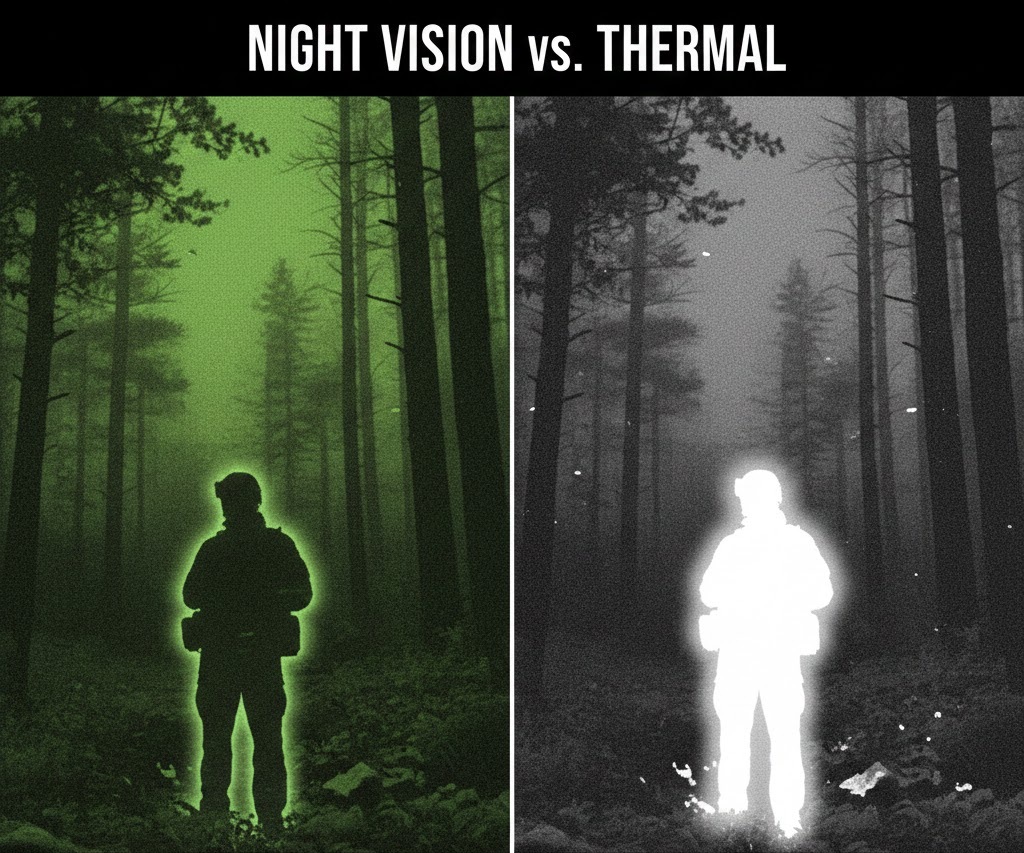
But let's clarify what thermal imaging actually does: it's not "night vision" in the Hollywood sense. Night vision amplifies existing visible light — it needs at least some photons to work. Thermal imaging, by contrast, detects infrared radiation that every object above absolute zero naturally emits. A human body at 37°C, an overheating motor bearing, or a hidden water leak behind drywall — all continuously broadcast their temperature signatures in the infrared spectrum. Thermal cameras make this invisible data visible and quantifiable.
The market transformation is striking. In 2015, a basic thermal module might cost $5,000+ and require custom integration work. Today, off-the-shelf modules deliver comparable performance at a fraction of that cost, with standardised interfaces like USB UVC that work immediately with Windows, Linux, and Android systems. For OEMs and system integrators, this shift changes the equation: building thermal capability in-house rarely makes economic sense when proven modules offer faster time-to-market and lower development risk.
This guide walks through the principles, components, and practical considerations for selecting and integrating thermal camera modules in 2026 — with a focus on what actually matters for your next project.
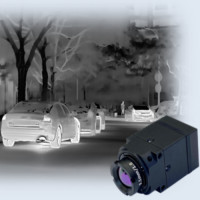
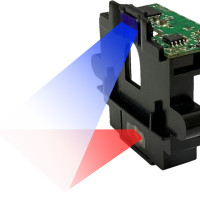
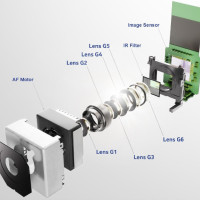
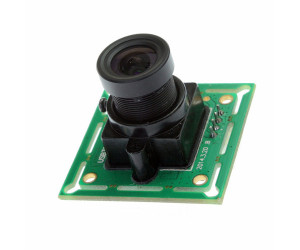
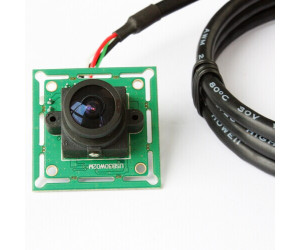
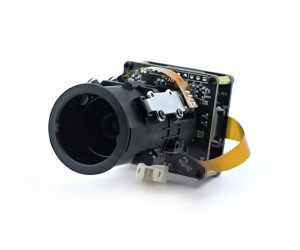
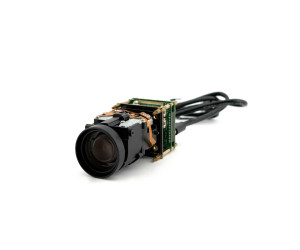
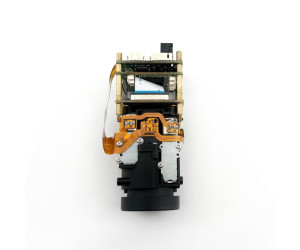
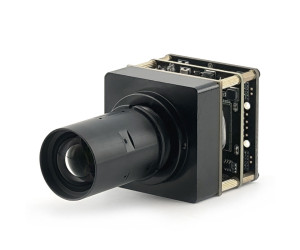
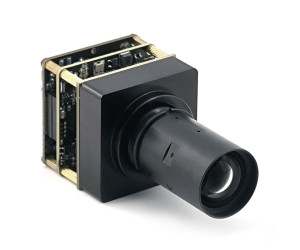
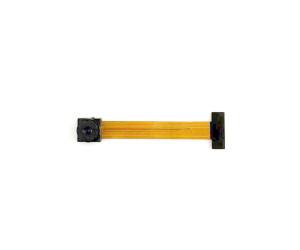
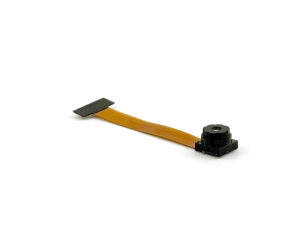
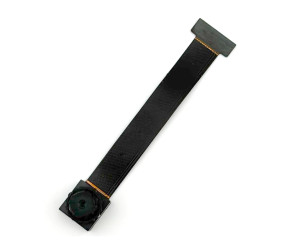
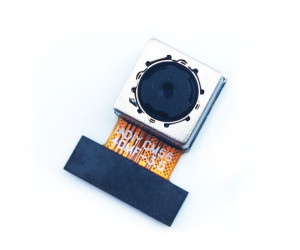
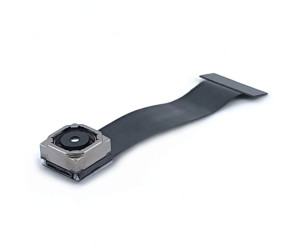
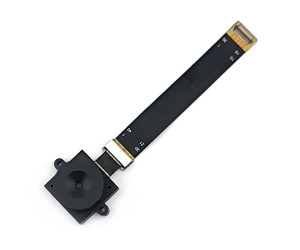
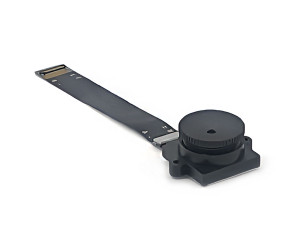
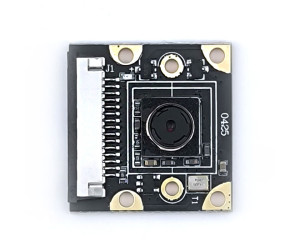
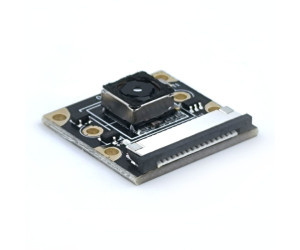
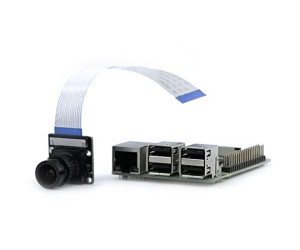
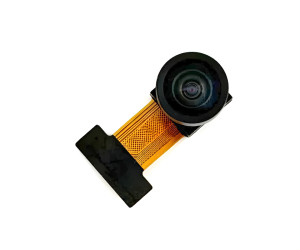
A thermal camera module packages three critical subsystems into a single, integration-ready unit: an infrared optical assembly (lens and protective window), a thermal sensor array (typically an uncooled microbolometer), and processing electronics (ROIC, image signal processor, interface controller).
This modular architecture follows what engineers call SWaP-C optimisation: minimising Size, Weight, Power, and Cost while maintaining performance. Unlike building a thermal system from discrete components — where you'd need to source sensors, design custom optics, develop firmware, and handle calibration — a module arrives pre-calibrated and tested.
The advantage extends beyond convenience. Reputable module manufacturers operate controlled calibration facilities where each unit undergoes non-uniformity correction (NUC) against traceable blackbody references. Replicating this capability internally requires significant capital investment and expertise. For industrial temperature ranges (−40°C to +85°C ambient operation), reliability becomes paramount — modules from established suppliers have undergone environmental stress testing that de-risks your product deployment.
Every object warmer than absolute zero (−273.15°C) emits electromagnetic radiation, with the peak wavelength determined by temperature. This is blackbody radiation — a principle dating to Max Planck's 1900 work that helped birth quantum physics.
For objects near room temperature (including human bodies, machinery, and buildings), peak emission falls in the Long-Wave Infrared (LWIR) band, roughly 8–14 micrometres wavelength. This is far beyond what human eyes detect (visible light spans only 0.4–0.7 micrometres) but is ideal for thermal sensing because of three key properties:
- Atmospheric transparency: Water vapour, the main atmospheric absorber, has low absorption in the 8–14μm window. While RGB cameras can use specialised lenses and filters to penetrate some fog and smoke, thermal cameras can penetrate certain types of smoke and light fog more effectively because their longer wavelengths are less affected by scattering from small particles — though performance remains subject to particle density and moisture content.
- Temperature sensitivity: Small temperature differences create measurable radiation changes in LWIR. At room temperature (approximately 20°C or 293K), a 1°C difference between two objects produces roughly 1.37% more infrared power from the warmer one — detectable with proper sensor sensitivity.
- No illumination required: Unlike visible cameras or active IR systems (which emit light to illuminate scenes), thermal cameras are entirely passive. The target provides its own signal.
This last point explains thermal imaging's unique advantage: total darkness is irrelevant. In a factory blackout, a firefighter's smoke-filled environment, or a nocturnal wildlife survey, thermal cameras operate unchanged because they're reading temperature signatures, not reflected light.
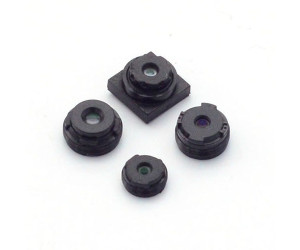
Standard optical glass — the material in your smartphone camera — is opaque to LWIR radiation. Infrared photons at 10μm wavelength simply cannot pass through conventional silicate glass. Historically, this forced thermal camera designers toward exotic materials.
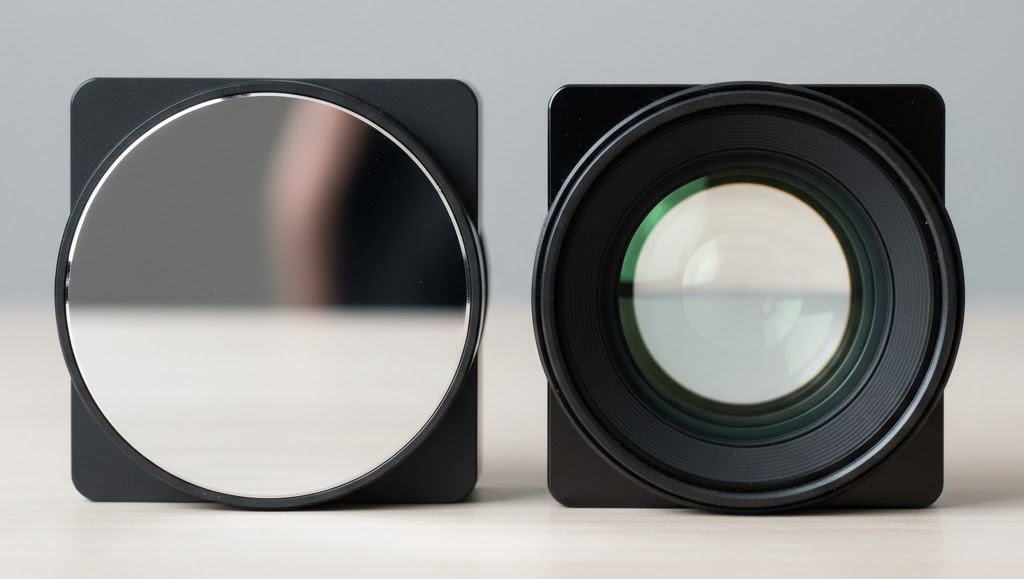
Germanium dominated for decades due to excellent IR transmission and high refractive index (enabling compact lens designs). Germanium remains essential for high-end systems requiring larger lens apertures and maximum optical performance, as its superior hardness and high refractive index enable designs not possible with other materials. However, Germanium presents challenges: it's relatively expensive, the supply is subject to supply chain fluctuations (creating procurement risk), and its high density limits weight reduction in portable applications.
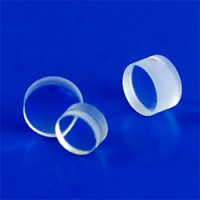
The 2026 trend for commercial applications is chalcogenide glass — sulfur-based compounds that transmit LWIR effectively while offering moldability. Unlike Germanium, which requires precision diamond machining, chalcogenide elements can be molded to near-net shape, then polished. This moldability reduces correction costs and simplifies assembly complexity, which in turn enables more compact and lightweight module designs. The ability to produce cost-effective aspheric designs with fewer elements helps correct aberrations efficiently.
For system integrators, lens material matters beyond cost. Chalcogenide's stable supply chain reduces procurement risk, while its moldability enables custom FOV (Field of View) options without retooling entire production lines.
FOV considerations: Narrow FOV (25° or less) provides telephoto magnification for distant targets but requires precise aiming. Wide FOV (60°+) captures broader scenes but reduces apparent detail at range. Match FOV to your application — predictive maintenance inspections might need telephoto precision, while building occupancy sensing benefits from wide coverage.
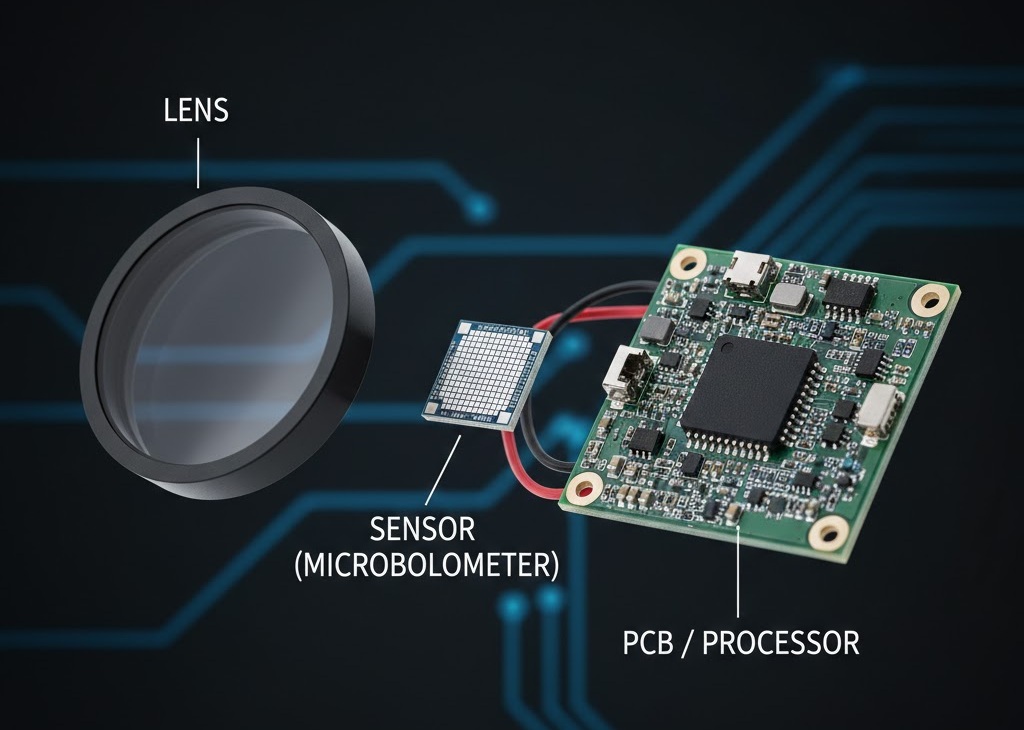
At the heart of every thermal module sits an array of microscopic sensors called microbolometers. Each pixel contains a thin membrane suspended on thermal isolation legs, coated with a material whose electrical resistance changes with temperature (typically vanadium oxide or amorphous silicon).
When infrared radiation from the scene strikes a pixel, it heats that microscopic membrane by a few thousandths of a degree. This minute temperature change alters resistance measurably. By monitoring resistance across thousands of pixels simultaneously, the system maps the thermal scene.
"Uncooled" means these sensors operate at ambient temperature — no cryogenic cooling like older photon-detector designs required. This eliminates complex cooling systems, slashing power consumption and cost.
NETD (Noise Equivalent Temperature Difference) quantifies sensitivity — the smallest temperature difference the sensor can reliably detect. Modern professional-grade modules achieve <40mK (0.04°C) NETD — sufficient to distinguish thermal anomalies in most controlled environments, such as early-stage bearing failures or insulation defects. However, when environmental temperature differences are large, detecting subtle thermal variations becomes more challenging. Lower NETD generally improves image contrast, especially critical in temperature-stable environments where you're hunting for small anomalies against uniform backgrounds.
Resolution considerations: Common formats include 256×192 (49k pixels), 384×288 (110k pixels), and 640×480 (307k pixels). Higher resolution improves spatial detail but increases cost, data bandwidth, and processing requirements. For many industrial applications, 256×192 provides adequate detail at attractive pricing, while 640×480 suits applications requiring fine spatial resolution like R&D thermal analysis or long-range surveillance.
Pixel pitch (spacing between sensor elements) trends toward 12μm in 2026, down from 17μm in earlier generations. Smaller pitch enables higher resolution in compact sensor formats, though design tradeoffs exist — larger pixels collect more IR energy (improving sensitivity), while smaller pixels increase spatial resolution.
The Readout Integrated Circuit (ROIC) sits directly beneath the microbolometer array, amplifying and digitising the weak electrical signals from each pixel. This is precision analog design — the ROIC must minimise noise while handling millions of measurements per second (for a 256×192 sensor refreshing at 9Hz, that's over 400,000 pixel readings every second).
Once digitised, the Image Signal Processor (ISP) transforms raw data into usable thermal images through several key operations:
- Non-uniformity correction (NUC): Individual pixels respond slightly differently even to uniform IR scenes. NUC applies per-pixel calibration data to flatten these variations, producing uniform images.
- Temperature mapping: Converting sensor values to actual temperatures requires calibration against known references. Advanced modules store multi-point calibration curves for accuracy across wide temperature ranges.
- False colour palettes: Raw thermal data is monochrome intensity. ISPs apply colour lookup tables — "Iron" (black-red-yellow-white), "Rainbow" (full spectrum), "White Hot" (bright = warm) — to enhance visual interpretation.
- Embedded AI: 2026 modules increasingly incorporate edge processing for real-time image enhancement, noise reduction through temporal filtering, and basic analytics like hot spot detection or temperature threshold alarms.
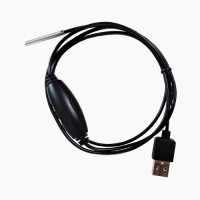
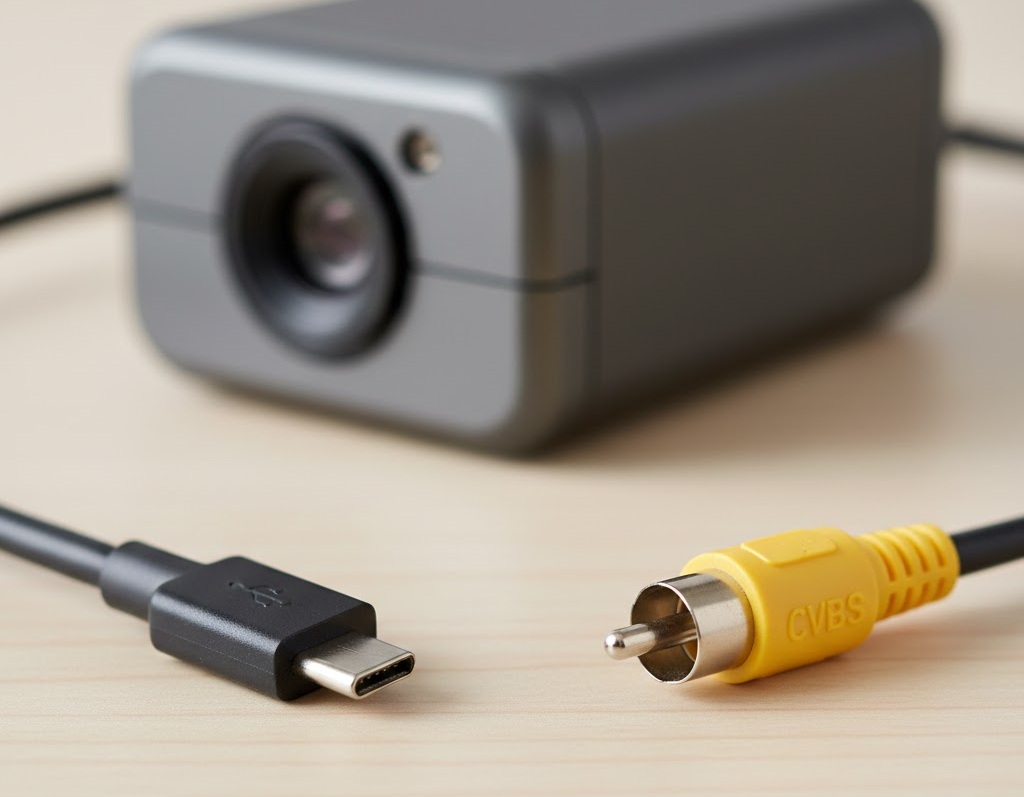
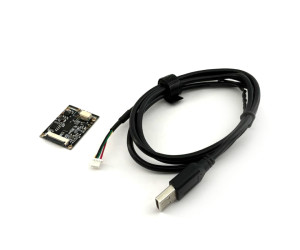
The USB Video Class standard enables true plug-and-play thermal integration. Connect a UVC-compliant module to any computer, and the OS recognises it as a standard webcam — no custom drivers required. Your application accesses thermal video through standard APIs (DirectShow on Windows, V4L2 on Linux, Camera2 on Android).
Advantages of USB:
- High bandwidth supports full-resolution, high-frame-rate streams
- Digital data transmission eliminates analog degradation
- Power and data over a single cable
- Direct integration into modern computing platforms
- Access to metadata (temperature matrices, telemetry)
Best for: Development environments, data acquisition systems, machine vision applications requiring frame analysis, AI/ML training systems, and any project where you need programmatic access to thermal data.
Composite Video Baseband Signal is the analog standard from broadcast television — simple, robust, and battle-tested over decades.
Advantages of CVBS:
- Ultra-low latency (typically <40ms end-to-end)
- Long cable runs with simple cabling (RG-59 coax)
- Direct display on monitors without computer intermediation
- Simple wiring, with optional isolation depending on system design
- Highly resistant to interference in harsh RF environments
Best for: Legacy system integration, long-range drone/UAV downlink transmission, real-time monitoring displays, safety-critical low-latency applications, and industrial installations where simplicity trumps data access.
| Criteria | USB (UVC) | CVBS (Analog) |
|---|---|---|
| Development Speed | Fast (plug-and-play APIs) | Medium (display-only without capture card) |
| Data Access | Full thermal matrix | Visual only (unless digitised) |
| Latency | ~60–100ms | ~20–40ms |
| Cable Length | ~5m (USB 2.0) without extenders | 100m+ with coax |
| Legacy Compatibility | Modern systems only | Universal for legacy systems and direct analog monitors |
Many commercial modules offer both interfaces, letting you prototype with USB while retaining CVBS for production deployment in latency-sensitive scenarios.
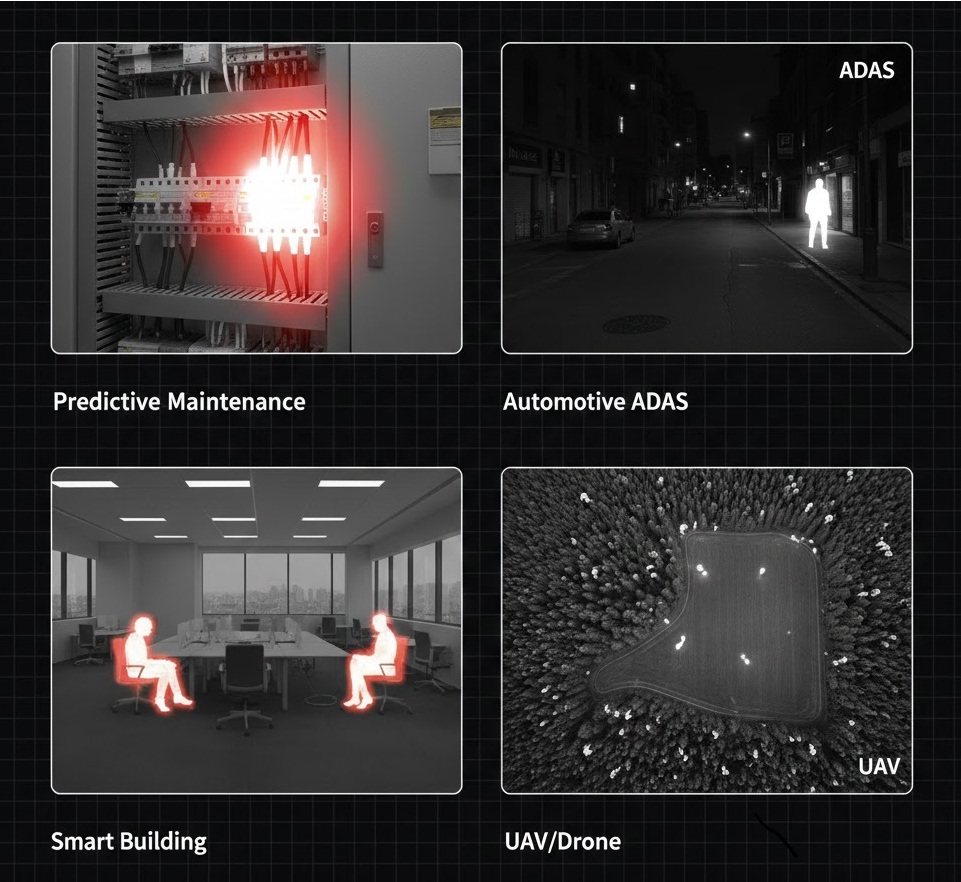
Electrical components heat before they fail. Thermal modules enable continuous monitoring of switchgear, motor drives, and circuit breakers — detecting hotspots 10–20°C above ambient that signal loose connections or component degradation. Catching these early prevents catastrophic failures and unplanned downtime. Integration into industrial IoT platforms via USB enables automated alerts and trending analysis.
Visible cameras struggle with direct sun glare and low-angle dawn/dusk lighting. Thermal sensors complement RGB cameras by detecting pedestrians and animals through heat signatures regardless of lighting. The challenge is cost — automotive applications demand high-volume pricing that's only recently become feasible with uncooled modules. Expect accelerated adoption as modules hit automotive-grade pricing thresholds.
Thermal modules mounted in ceiling spaces provide contactless occupancy detection (identifying occupied zones by body heat without the privacy concerns of visible cameras) and early fire detection (identifying abnormal heat signatures before smoke develops). CVBS integration suits fire alarm systems requiring fail-safe monitoring, while USB enables cloud-connected building management analytics.
Drones use thermal imaging for agriculture (crop stress detection), search-and-rescue (locating persons in wilderness), infrastructure inspection (finding heat loss in pipelines), and public safety. Weight-constrained airborne platforms demand compact modules, while long-range transmission favours CVBS for its simplicity and latency advantage in real-time piloting.
Thermal camera module selection hinges on balancing three factors:
- Performance specifications matching your application (NETD for sensitivity, resolution for spatial detail, FOV for coverage)
- Interface choice aligning with your system architecture (USB for data-rich applications, CVBS for simplicity and latency)
- Supplier reliability ensuring consistent quality and supply chain stability
The shift to chalcogenide lenses for commercial applications exemplifies why supplier material choices matter — while high-end systems still rely on Germanium for maximum performance, vendors offering chalcogenide alternatives provide cost-effective solutions with reduced supply chain risk. Similarly, modules with established environmental qualification (industrial temperature operation, shock/vibration testing) reduce integration risk compared to spec-sheet promises without validation data.
As thermal imaging continues its transition from specialty tool to mainstream sensor, the advantage lies with teams who understand these fundamentals and select partners who've mastered the engineering tradeoffs. Whether you're developing the next generation of ADAS, industrial monitoring, or IoT sensing, thermal capability is increasingly table stakes — and modular integration is the proven path to market.
The technology is ready, and the modules are available. The question is: what will you build with thermal vision?
Understanding the principles of thermal imaging is the first step. In our next guide, we'll dive into the practical selection process — helping you choose the specific resolution, FOV, and interface for your unique application requirements. Stay tuned.
Ready to explore current hardware options, or have a specific integration project in mind?
Browse Thermal Camera ModulesFor specific project inquiries or custom integration needs, contact us at sales@iadiy.com to discuss your requirements.















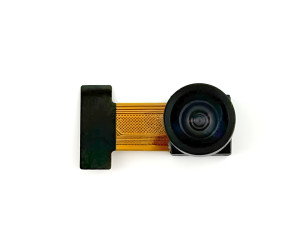
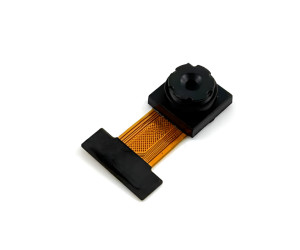
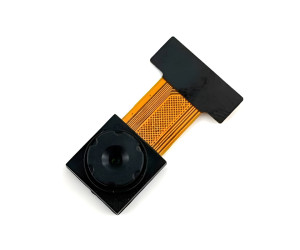
-300x250h.jpg "DVP Camera Module 3M – DCM3M120M7")
Leave a Comment