





























Golf Swing Path: Drills to Fix Your Golf Swing Path & Golf Training Aids – PathFinder

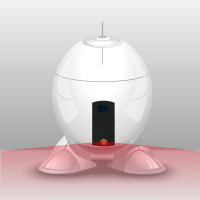
Quick answer: How does a golf swing path trainer work, and why is a laser path finder effective? A golf swing path trainer helps players visualize the arc of the clubhead from backswing through impact. A golf pathfinder utilizing visual laser technology—such as a Diffractive Optical Element (DOE) green circle laser projection—provides real-time visual feedback directly on the ground. This visual golf training aid helps with path and face together, allowing golfers to correct over-the-top slices, groove an inside-out swing plane, and maintain square clubface alignment without relying on memory or post-swing video review.
Understanding the Golf Swing Path & Alignment
 The swing path in golf is the spatial route your clubhead follows during your swing arc, particularly from the initiation of the downswing through ball impact and follow-through. A neutral swing path allows the clubhead to approach the ball along the target line. Even subtle deviations create pronounced directional errors: an outside-in swing path produces a slice, while an exaggerated inside-out path often causes low hooks.
Importance of Correct Swing Path: Precision with your swing path yields immediate accuracy dividends. When the club head travels along the proper optical plane, presenting a square clubface at impact becomes far more repeatable. Control over the swing path dictates not only horizontal ball flight direction, but also spin axis and roll characteristics.
Common Swing Path Faults: The classic "over-the-top" move occurs when the club cuts across the target line from outside to inside. These mechanical issues usually stem from subtle setup errors, improper takeaway sequencing, or premature shoulder rotation during downswing transition. Identifying these technical flaws is the first step toward grooving a repeatable swing plane.
Drills to Fix Your Golf Swing: From Alignment Sticks to Visual Lasers
 Developing muscle memory for a neutral swing path requires structured practice routines. Laying down alignment sticks parallel to your stance and target line provides a basic visual baseline. Rehearsing takeaways while keeping the clubhead outside your hands on the way up helps set an inside downswing delivery.
Advanced Feedback & Visual Training Aids: Experienced golfers focus on fine-tuning transition mechanics. While video analysis and mirrors offer post-swing review, physical barriers and laser swing path trainers provide instant tactile and optical feedback. Visual laser projection technology allows players to see their live swing arc during motion, making instant posture and plane adjustments possible.
Mechanics of the Golf Swing: Wrists, Path & Grip Adjustments
Your wrists act as crucial mechanical hinges governing speed and face angle control throughout the swing. Proper wrist hinge on the backswing and release through impact keep the clubhead on-plane. Excessive wrist breakdown leads to flipping or open clubfaces at impact, whereas rigid wrist action saps distance and tempo.
- Inside-Out vs. Outside-In Paths: An inside-out swing path approaches the ball from inside the target line and exits outward, naturally encouraging a draw. An outside-in path cuts across the ball, resulting in a slice for right-handed golfers.
- Grip Position Impact: A weak grip (hands rotated too far left) leaves the clubface open at impact, reinforcing an outside-in slice. A strong grip (hands rotated right) tends to close the clubface, encouraging hooks. Fine-tuning to a neutral grip restores clubface control.
Improving Your Golf Shots: Video Analysis & Feedback Techniques
Before making swing modifications, record your practice sessions from behind and side-on angles to analyze downswing planes, hip rotation, and impact angles. Consistency relies on core fundamentals: proper stance alignment, synchronized arm takeaway, lower-body transition initiation, and maintaining a stable rotational base.
Blending video feedback with visual training aids enables rapid technical adjustments, helping players groove a reliable, repeatable swing asset round after round.
The Path Finder Golf Training Aid — DOE Laser Module Innovation
 Drawing on decades of instructional experience, Coach Scott realized that verbal cues and post-swing video reviews rarely yielded permanent swing changes. Golfers require instant visual feedback during the movement itself. In early 2023, Coach Scott pioneered the concept of projecting a continuous optical reference circle directly onto the turf using laser module technology.
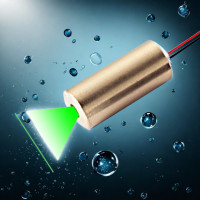
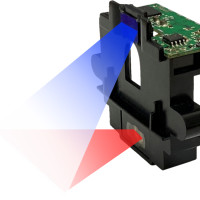
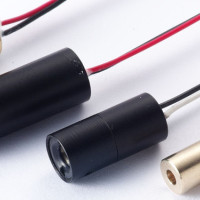
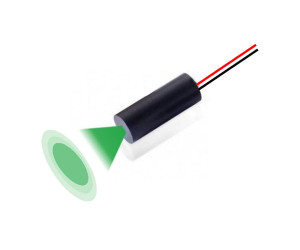
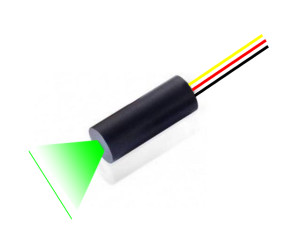
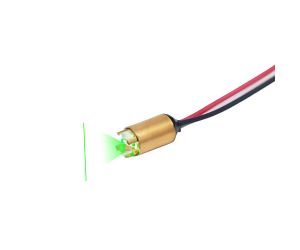
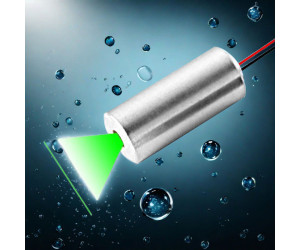
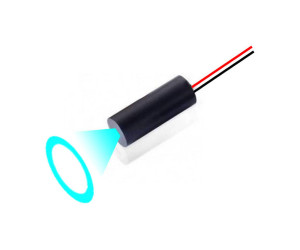
IADIY joined the Path Finder development project from its inception, supplying specialized optical laser engineering expertise. Utilizing Diffractive Optical Element (DOE) patterns, IADIY engineered a high-visibility green circle laser module (Generation 1). This visual template provides golfers with a live path finder golf diagram, aiding swing plane tracking and face-angle alignment simultaneously.
Demonstration & Swing Path Drill Videos
Key Takeaways for Swing Path & Laser Alignment Drills
- Real-Time Visual Feedback: Visual laser projection tools like the Path Finder allow instant dynamic adjustments during swing execution.
- Fix Over-the-Top Slices: Tracing an inside-out optical line prevents premature shoulder opening during downswing transition.
- Integrate Path & Face Angle: A golf training aid that helps with path and face together ensures square impact without artificial manipulation.
- Custom DOE Laser Advantage: Green laser diodes paired with DOE optics provide crisp, high-visibility line and circle projections under outdoor lighting conditions.
Frequently Asked Questions About Golf Swing Path & Laser Trainers
What is the ideal golf swing path for straight shots?
A neutral to slightly inside-out swing path (typically 1° to 3° inside-out) paired with a square clubface relative to the target line produces a stable, straight ball flight or gentle draw.
How does a laser golf path finder help eliminate a slice?
A laser path finder projects a visual guide line or circle onto the ground. By following the laser arc during backswing and downswing, golfers visually correct steep outside-in movements and learn to drop the club inside on the downswing.
Why use a DOE green circle laser module instead of red lasers?
Green lasers (typically 520nm) are significantly more visible to the human eye under daylight outdoor driving range conditions compared to red lasers. Diffractive Optical Elements (DOE) allow custom circle projection with uniform intensity distribution.
How do grip adjustments impact swing path and clubface angle?
A strong grip closes the clubface and encourages an inside-out swing path (preventing slices), while a weak grip leaves the face open and leads to outside-in slicing patterns. Adjusting to a neutral grip stabilizes face-to-path relationships.
Custom Laser Module Engineering: IADIY Capabilities
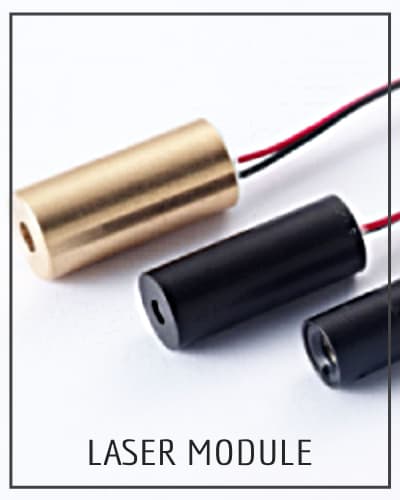
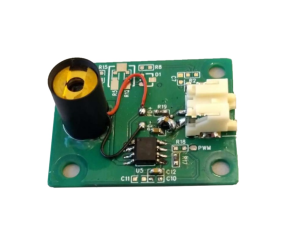
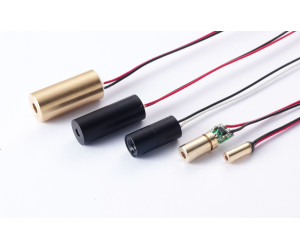
Developing sports alignment aids, industrial laser projection systems, and custom DOE optical patterns requires specialized optoelectronic engineering. IADIY provides custom laser module design, optical pattern simulation, and volume contract manufacturing to turn innovative optical concepts into commercial products.
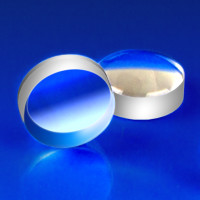
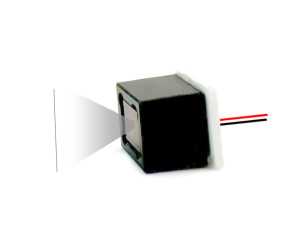
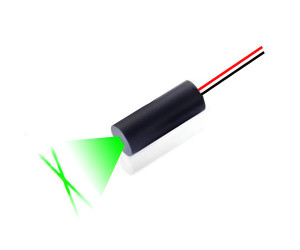
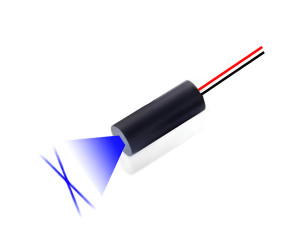
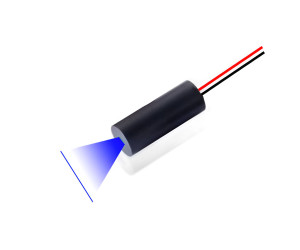
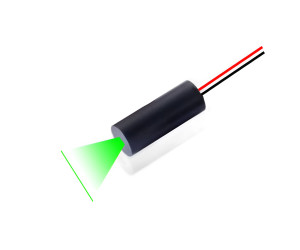
- DOE & HOE Laser Optics: Custom line, crosshair, grid, and uniform circle pattern optical elements.
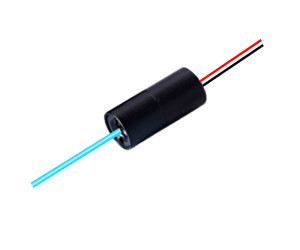
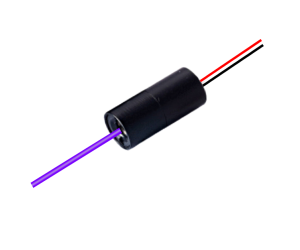
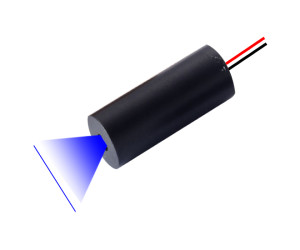
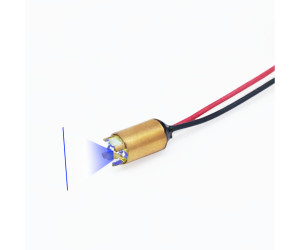
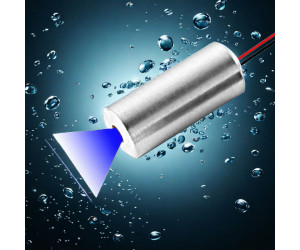
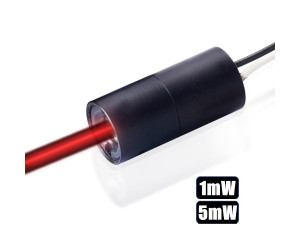
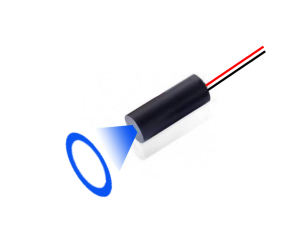
- Wavelength & Power Customization: 450nm Blue, 520nm Green, 650nm Red, and NIR laser diode module solutions.
- Optomechanical Packaging: Compact, shock-resistant, and battery-optimized housings for sports equipment integration.
- Turnkey JDM Services: Joint engineering development from optical prototyping to full-scale manufacturing.
Developing a custom laser projection device or optical sensing product? Discuss your technical specifications with our engineering team.
Discuss Your Specifications With Our Engineers →Conclusion
Mastering the golf swing path is essential for achieving consistent distance and accuracy on the golf course. Combining clear mechanical understanding with real-time visual training aids—like the DOE green laser Path Finder co-developed by Coach Scott and IADIY—empowers golfers to correct ingrained swing flaws and build repeatable muscle memory.
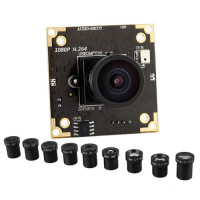
You can also explore our broad range of camera modules, thermal camera modules, and optoelectronic manufacturing and JDM capabilities.







Leave a Comment