







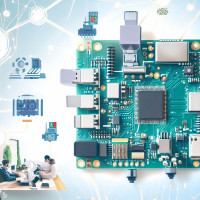











Custom Camera Module Requirements Flow

Quick answer: How do you design a custom camera module and what is the customization process? A customized camera module tailored for embedded vision applications involves modifying four core components: the optical lens, image sensor (CMOS/CCD), DSP controller, and PCB form factor. The custom camera design process follows a structured Non-Recurring Engineering (NRE) workflow: specification definition, sample prototyping, optical & firmware tuning, and environmental aging testing before entering mass production. Key customization variables include Field of View (FOV), focal length, NIR spectral sensitivity (850nm/940nm), interface protocols (USB/MIPI), and physical module dimensions.
Customized Camera Module Requirements & Development Flow
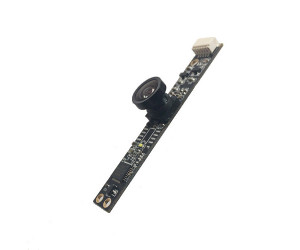
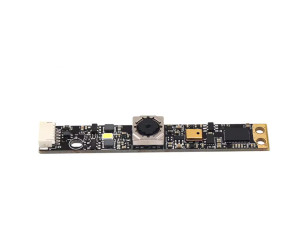
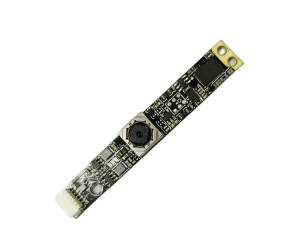
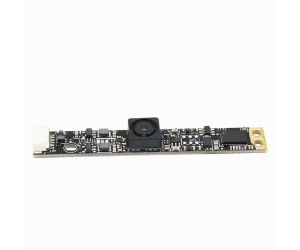
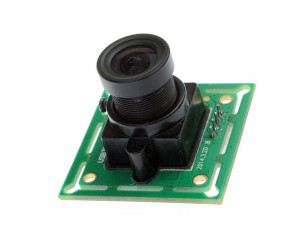
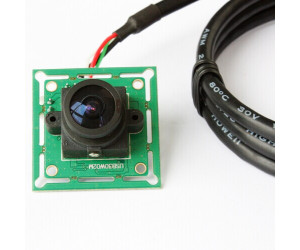
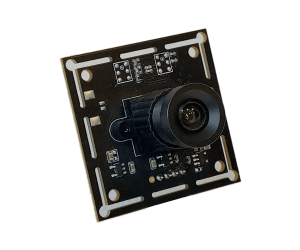
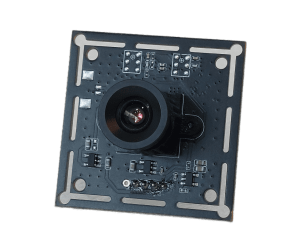
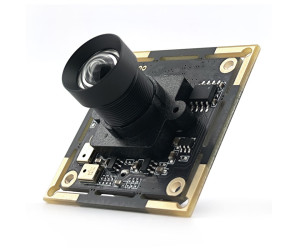
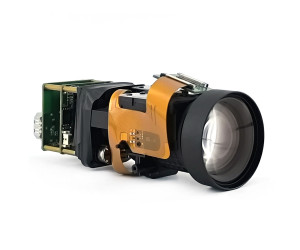
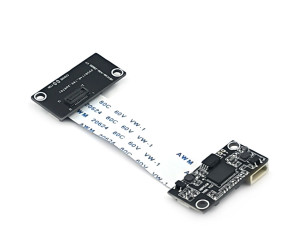
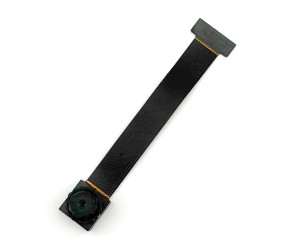
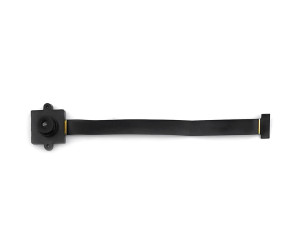
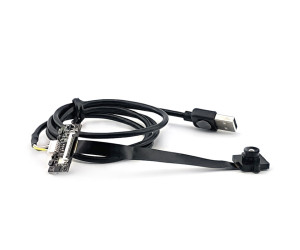
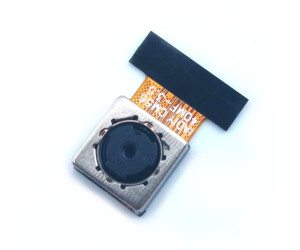
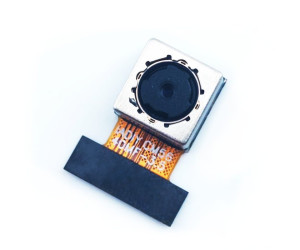
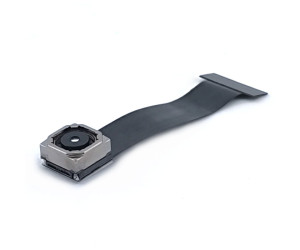
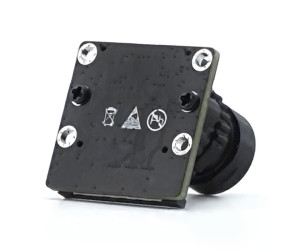
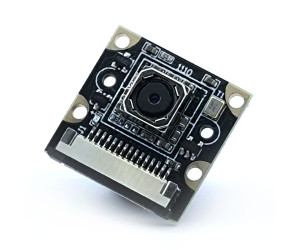
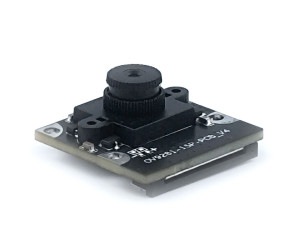
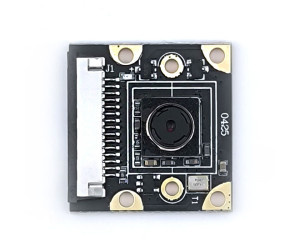
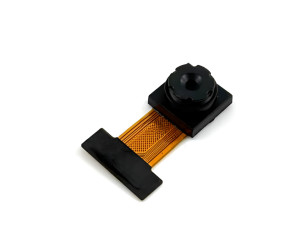
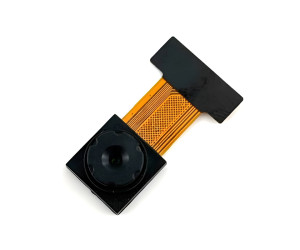
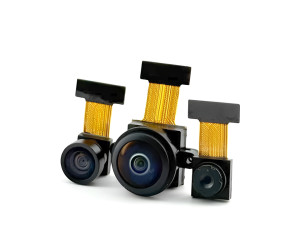
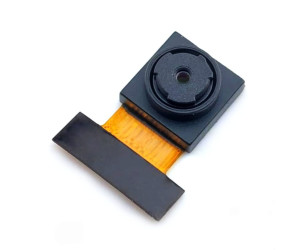
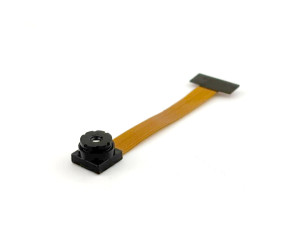
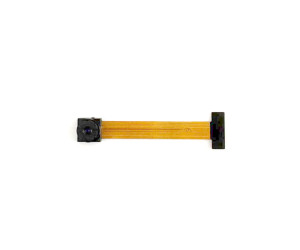
With hundreds of thousands of vision applications across robotics, medical devices, industrial inspection, and smart security, standard off-the-shelf camera modules often cannot fulfill specific physical or optical constraints. Customizing hardware and firmware—including PCB dimensions, lens view angles, focus mechanisms (Auto Focus vs. Fixed Focus), and specialized optical filters—becomes essential for powering product innovation.
Non-Recurring Engineering (NRE) covers research, optical development, and design for manufacturing (DFM). To minimize engineering risk and save development time and cost, IADIY provides custom camera module services built upon proven hardware reference platforms.
- 1. Requirement & Drawing Input: Provide technical drawings, target specifications, or sample units to initiate feasibility analysis by our optical engineering team.
- 2. Technical Communication: In-depth alignment on electrical interfaces, optical performance targets, mechanical dimensions, and environmental constraints.
- 3. Solution Architecture Definition: Matching optimal image sensors, DSP ICs, and lens configurations tailored to your specific application environment.
- 4. Sample Prototyping: Fabrication of initial prototype modules, verifying PCB layouts and lens optical alignment schedules.
- 5. Application Testing & Validation: Testing sample units directly on your host platform, including image quality tuning, aging tests, and feedback iteration before mass production.
Questions You Should Ask Before Customizing a Camera Module
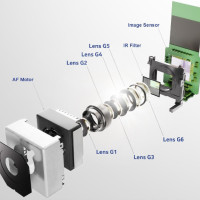
When engineering a custom camera design, evaluating the four primary hardware building blocks determines image clarity, system compatibility, and overall reliability:
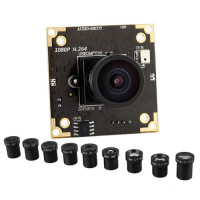
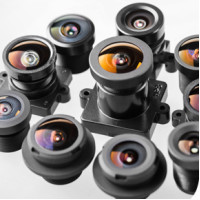
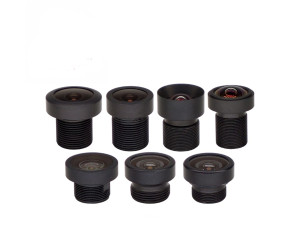
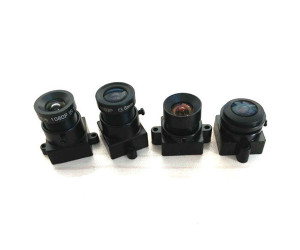
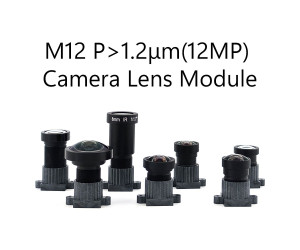
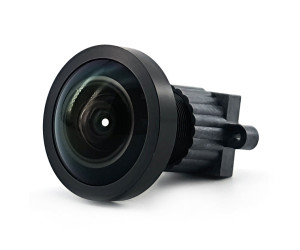
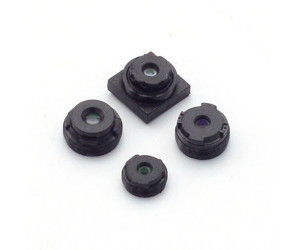
- Optical Lens: Defines focal length, Field of View (FOV), aperture (f/#), optical distortion, and IR-cut filter bandwidth.
- Image Sensor: Choice of CMOS or CCD architecture, optical format (e.g., 1/2.7", 1/4"), pixel pitch, dynamic range, and low-light sensitivity.
- Digital Signal Processor (DSP): Handles Image Signal Processing (ISP) functions such as auto-exposure, white balance, noise reduction, and output formatting (MJPEG, YUV, H.264/H.265).
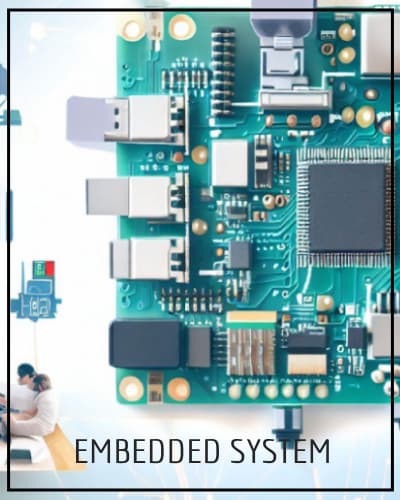
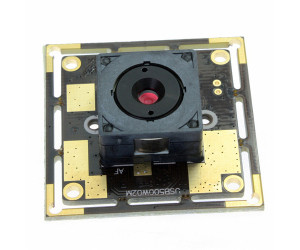
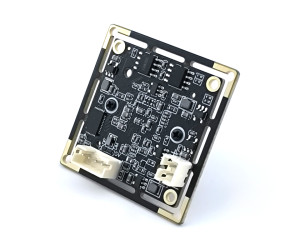
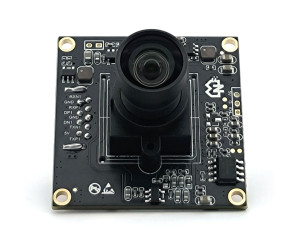
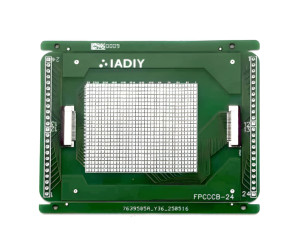
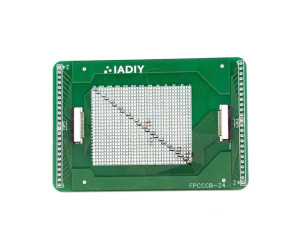
- Printed Circuit Board (PCB): Determines module dimensions, mounting hole locations, thermal dissipation paths, and connector interface types.
What Resolution Do You Need for Your Vision System?
Camera resolution represents the pixel density of the image sensor array. Higher resolutions provide finer spatial details for machine analysis, but require significantly higher host processor capacity and network transmission bandwidth. Choosing the correct pixel array size ensures a balanced trade-off between image fidelity and system resources.
Standard CMOS sensor resolutions range from VGA (640 × 480) for basic sensing and high-frame-rate tracking up to 5MP, 8MP (4K), and 13MP+ for high-detail imaging. Selecting an aspect ratio (4:3, 16:10, or 16:9) should align with host display formats and processing algorithms.
| 4:3 Aspect Ratio | 16:10 Aspect Ratio | 16:9 Aspect Ratio (Widescreen / HD) |
| VGA (640 × 480) | WVGA (800 × 480) | qHD (960 × 540) |
| SVGA (800 × 600) | WSVGA (1024 × 600) | 720p HD (1280 × 720) |
| XGA (1024 × 768) | WXGA (1280 × 800) | WXGA+ (1366 × 768) |
| SXGA+ (1400 × 1050) | WXGA+ (1440 × 900) | 1080p Full HD (1920 × 1080) |
| UXGA (1600 × 1200) | WSXGA+ (1680 × 1050) | 4K UHD (3840 × 2160) |
| QXGA (2048 × 1536) | WUXGA (1920 × 1200) | — |
Understanding Field of View (FOV) & Optical Formats
Field of View (FOV) describes the maximum angular range visible through the camera lens assembly. Selecting the right FOV depends on target distance and inspection coverage:
- Standard FOV (60°–80°): Ideal for facial recognition, document scanning, and desktop videoconferencing with minimal geometric distortion.
- Wide FOV (90°–120°): Suitable for room monitoring, wide-angle surveillance, and autonomous mobile robot (AMR) navigation.
- Ultra-Wide / Fisheye FOV (150°–180°+): Covers entire room enclosures or vehicle surroundings; requires software de-warping algorithms to correct fisheye optical distortion.
Optimizing Camera Module Dimensions for Mechanical Enclosures
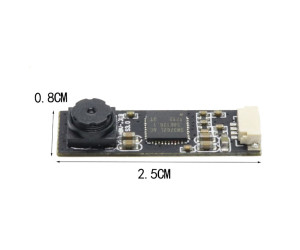
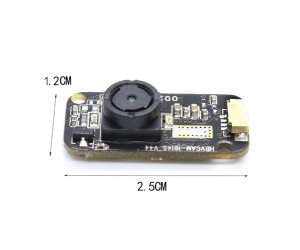
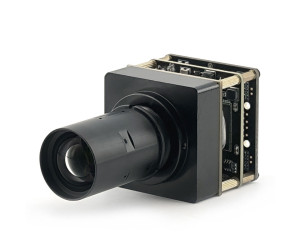
In compact OEM devices, physical dimension is often the most critical variable. Module length, width, and height are restricted by housing boundaries and lens Back Focal Length (BFL).
Careful optical design prevents optical vignetting (dark corners on captured images) when matching wide-format sensors with small-diameter lens barrels. Our mechanical and optical engineers co-design PCB layouts and lens mounts to ensure flawless mechanical fitment and thermal dissipation within tight product enclosures.
Production Volumes & Estimated Annual Usage (EAU) Evaluation
Customizing a camera module requires balancing NRE tooling fees against volume piece pricing. For low-volume applications, modifying lens filters or barrel mounts on standard PCB designs offers a cost-effective compromise. For high Estimated Annual Usage (EAU) projects, custom PCB spins, dedicated ISP firmware tuning, and automated active alignment deliver maximum performance and unit cost savings.
Selecting Focal Length & Near-Infrared (NIR) Spectral Response
Matching lens focal length to object working distance ensures sharp focus across target spaces:
- Short Focal Length (2.8mm): Recommended for close-range office desks, small rooms, or handheld devices.
- Medium Focal Length (4mm–6mm): Suited for outdoor yards, doorway entryways, and medium-distance tracking.
- Long Focal Length (8mm–12mm+): Designed for long-distance factory floor inspection, traffic monitoring, and narrow corridor surveillance.
For night-vision or covert sensing under Near-Infrared (NIR) illumination, silicon-based CMOS sensors exhibit strong quantum efficiency at 850nm and 940nm wavelengths. While 850nm illuminators offer higher sensor sensitivity, 940nm LEDs eliminate visible red glow for completely covert surveillance. Dual-band pass or IR-cut filter switching mechanisms ensure sharp visible colors by day and clean NIR images by night.
Key Engineering Best Practices for Custom Camera Modules
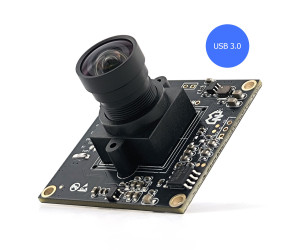
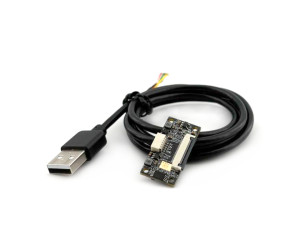
- Define Interface Early: Choose USB 2.0/3.0 for plug-and-play PC connectivity, or MIPI CSI-2 for low-power, direct embedded processor integration.
- Check Sensor Ray Angle (CRA): Ensure the lens Chief Ray Angle matches sensor specifications to prevent color crosstalk and edge shading.
- Validate Thermal Drift: Select metal or high-stability plastic lens holders to prevent focal shift across operating temperature extremes.
- Specify Active Alignment: Utilize active multi-axis alignment during lens assembly for high-resolution sensors (5MP+) to guarantee edge-to-edge image sharpness.
Frequently Asked Questions About Custom Camera Modules
Why should I choose a custom camera module over a standard module?
Standard off-the-shelf camera modules often present fixed dimensions, standard FOV options, or incompatible connectors. A customized camera module lets you tailor PCB dimensions, optical FOV, NIR filters, focus modes, and interface protocols specifically to your enclosure and embedded software stack.
What is the difference between USB and MIPI custom camera module designs?
USB camera modules integrate onboard ISP controllers and UVC drivers for plug-and-play USB connection to PC hosts. MIPI camera modules output raw image data directly to host processors, offering lower latency, lower power consumption, and smaller PCB dimensions.
How does NIR wavelength choice (850nm vs 940nm) affect camera selection?
Silicon sensors are more sensitive to 850nm illumination, providing brighter images at lower LED power. However, 850nm LEDs emit a faint red glow visible to the human eye. 940nm illumination is completely invisible to human eyes but requires higher sensor quantum efficiency or stronger LED output.
What factors are included in the Non-Recurring Engineering (NRE) process?
NRE includes schematic design, multi-layer PCB layout, lens optical prescription matching, custom mold creation for lens mounts, ISP image quality tuning, prototype assembly, and compliance testing.
How do I prevent image vignetting when specifying wide FOV lenses?
Ensuring proper matching between lens optical format and sensor size, along with matching Chief Ray Angle (CRA), prevents corner darkening.
Custom Vision Integration: IADIY Engineering Capabilities
Developing a high-performance custom camera module requires unified expertise in optomechanical design, high-speed PCB routing, sensor driver integration, and ISP image tuning. IADIY offers comprehensive OEM/JDM engineering services to accelerate your custom vision system to market.
- Optomechanical Customization: Custom lens holder design, waterproof IP-rated packaging, and active optical alignment.
- Sensor & Interface Integration: Support for USB 2.0/3.0, MIPI CSI-2, DVP, and Ethernet vision protocols.
- ISP Image Fine-Tuning: Custom color matrix calibration, wide dynamic range (WDR) optimization, and low-light noise reduction.
- Rapid Tooling & Mass Production: Cleanroom assembly, optical SMT lines, and ISO-certified quality assurance.
Developing a custom camera module or embedded vision system? Discuss your technical requirements with our optical engineering team.
Discuss Your Specifications With Our Engineers →Conclusion
Selecting or engineering a customized camera module is key to unlocking market-differentiating performance in modern smart hardware. By systematically evaluating resolution requirements, FOV, mechanical dimensions, spectral filtering, and system volume, product teams can build dedicated vision devices that deliver exceptional image quality and user experience.
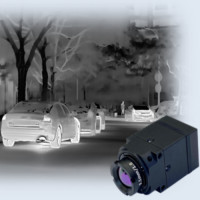
You can also explore our range of camera modules, thermal camera modules, and optoelectronic manufacturing and JDM capabilities.

















Leave a Comment