























Difference of UV Radiation
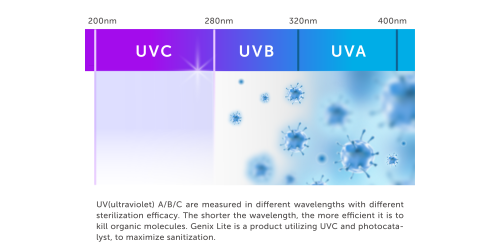
Ultraviolet (UV) radiation constitutes the electromagnetic spectrum bridging visible light and X-rays. Although invisible to the human eye, its interactions with biological tissue and synthetic polymers range from beneficial photochemical synthesis to irreversible cellular degradation. Because UV wavelengths interact differently with atmospheric gases, human skin layers, and microbial pathogens, international standards bodies categorize ultraviolet radiation into discrete bands.
Navigating the practical differences between UVA, UVB, and UVC is fundamental to evaluating environmental UV exposure, medical phototherapy, and modern ultraviolet germicidal irradiation (UVGI) systems.
Quick answer: What is the difference between UVA, UVB, and UVC? Defined by the World Health Organization (WHO), CIE, and ISO 21348, the UV spectrum is divided by wavelength: UVA (315–400 nm) represents 95% of ground-level UV and penetrates deep into the dermis causing photoaging; UVB (280–315 nm) is biologically active, absorbed by the epidermis, and causes sunburns and direct DNA lesions; UVC (100–280 nm) carries the highest photon energy and is completely filtered out by Earth's ozone layer, making it the most lethal to microorganisms and widely utilized for germicidal disinfection.
What Is Ultraviolet (UV) Radiation? (WHO & ISO Definitions)
Ultraviolet radiation is optical radiation having a wavelength shorter than that of visible light and longer than that of X-rays, spanning 100 nm to 400 nm (photon energies from 3.10 eV to 12.4 eV). In optical engineering and photobiology, standard classification systems—including ISO 21348 and the International Commission on Illumination (CIE)—categorize this band into three primary terrestrial and germicidal regimes, along with specialized vacuum bands:
- UVA (Long-wave UV / Blacklight): 315 nm – 400 nm (CIE band: 315–400 nm; sometimes colloquially measured from 320 nm).
- UVB (Medium-wave UV / Erythemal band): 280 nm – 315 nm (responsible for sunburn, vitamin D synthesis, and non-melanoma skin cancers).
- UVC (Short-wave UV / Germicidal band): 100 nm – 280 nm (highest photon energy; completely absorbed by atmospheric ozone and molecular oxygen).
- Vacuum UV (VUV) & Extreme UV (EUV): 10 nm – 200 nm (propagates only in vacuum environments; strongly absorbed by ambient air).

UVA vs. UVB vs. UVC: Wavelength & Characteristic Comparison
The table below summarizes the core optical parameters, atmospheric transmission, depth of biological penetration, and industrial applications for each ultraviolet category:
| UV Band | Wavelength Range | Atmospheric Transmission | Biological Penetration | Primary Applications |
| UVA | 315 – 400 nm | ~95% reaches Earth's surface | Deep penetration into the dermis and subcutaneous tissue | Industrial UV curing, fluorescent inspection (NDT), blacklights, phototherapy |
| UVB | 280 – 315 nm | ~5% reaches Earth's surface (attenuated by ozone) | Absorbed primarily in the epidermis and basal cell layers | Medical psoriasis treatment, horticultural grow lights, vitamin D synthesis |
| UVC | 100 – 280 nm | 0% reaches Earth's surface (100% ozone absorbed) | Superficial (absorbed by dead stratum corneum and ocular tear film) | Surface, air, and water disinfection (UVGI), optical sterilization modules |
Biological Hazards: Which UV Ray Is More Harmful?
When evaluating which UV ray is "more harmful," photobiologists differentiate between intrinsic photonic toxicity (how destructive a single photon is to cellular structures) and real-world environmental risk (how much exposure humans encounter in daily life):
- By Intrinsic Photonic Damage (UVC is Most Lethal): UVC (100–280 nm) is biochemically the most destructive radiation band. Its photon energy directly resonates with nucleic acid absorption peaks. Artificial exposure causes acute photokeratitis ("welder's flash") and severe erythema within seconds to minutes.
- By Terrestrial Skin Cancer Risk (UVA & UVB are Most Dangerous): Because natural solar UVC cannot penetrate the stratosphere, UVB and UVA account for nearly all real-world skin malignancies and photoaging. UVB directly mutates cellular DNA in the epidermis, while UVA generates reactive oxygen species (ROS) that induce indirect oxidative DNA damage deep in the dermis.
Mechanism of Action: DNA/RNA Destruction & Pyrimidine Dimers
The germicidal efficacy of ultraviolet radiation is not thermal; it is an irreversible photochemical reaction. The purine and pyrimidine nitrogenous bases of ribonucleic acid (RNA) and deoxyribonucleic acid (DNA) exhibit peak optical absorption between 250 nm and 270 nm.
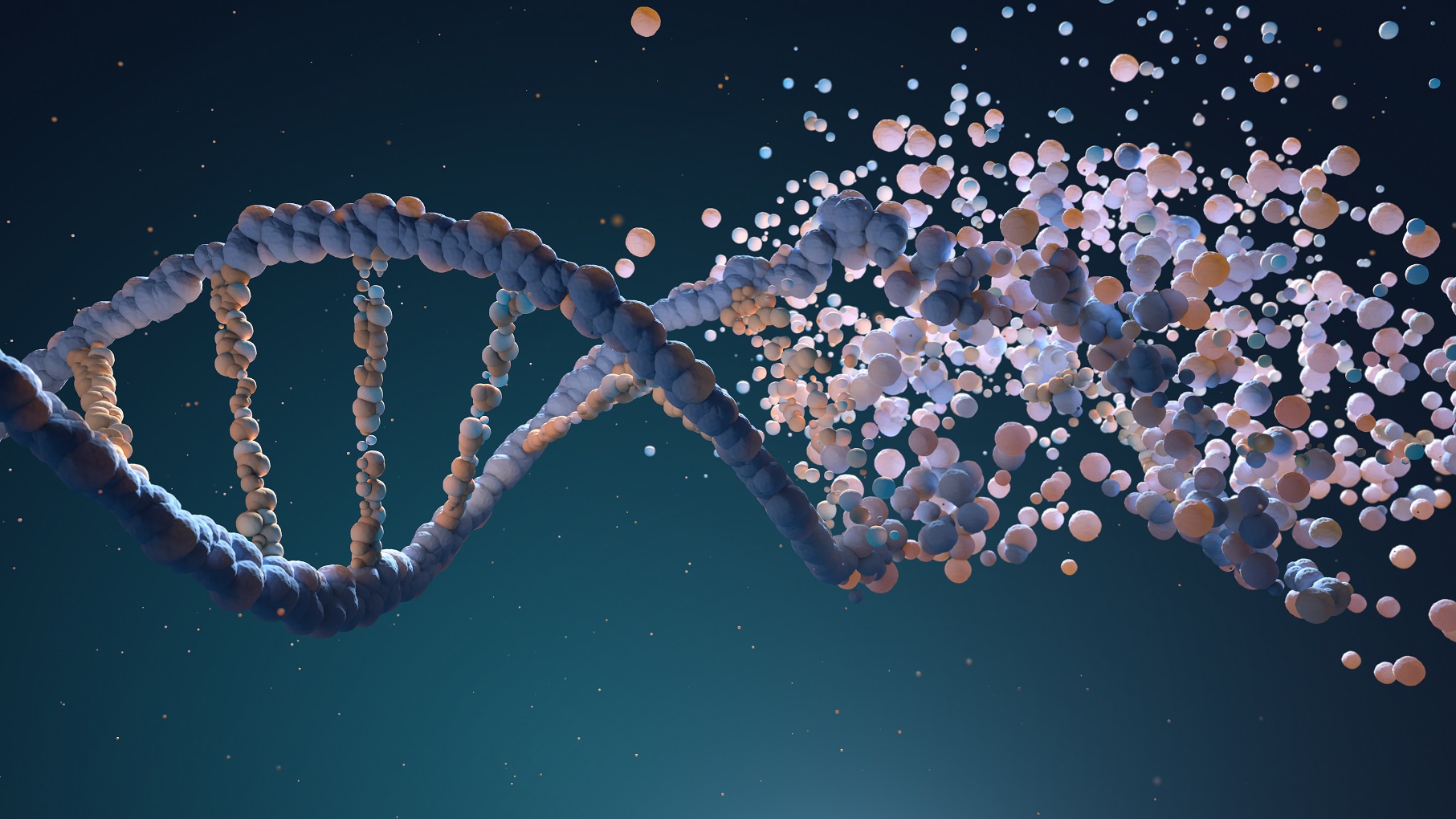
When microbial pathogens (viruses, vegetative bacteria, bacterial endospores, or fungal cysts) absorb photons in the UVC band, adjacent thymine bases in DNA (or uracil bases in RNA) form covalent bonds, resulting in cyclobutane pyrimidine dimers (CPDs) and 6-4 photoproducts. These dimeric distortions disrupt the double helix geometry, halting DNA polymerase activity and transcription. Deprived of the capability to replicate or express proteins, the pathogen becomes microbiologically inactive and non-infectious.
UVC Germicidal Technology: 254nm Mercury, 265–280nm LED, and 222nm Far-UVC
Modern ultraviolet germicidal irradiation (UVGI) encompasses three major technological paradigms, each tailored to distinct optical integration and human occupancy constraints:
- Low-Pressure Mercury Vapor Lamps (253.7 nm): The legacy workhorse of UV sterilization. Emits monochromatic radiation at 253.7 nm close to the peak germicidal curve (~265 nm). Drawbacks include fragile quartz tubes, warm-up latency, and environmental restrictions under the Minamata Convention on Mercury.
- Solid-State UVC LEDs (265 nm – 280 nm): Semiconductor AlGaN (Aluminum Gallium Nitride) emission diodes. UVC LEDs offer instantaneous on/off cycling, robust vibration resistance, compact form factors, and precise wavelength selection (often targeting 265–275 nm for optimal pathogen inactivation in point-of-use water and air chambers).
- Excimer Far-UVC Lamps (222 nm KrCl): Krypton-Chloride (KrCl) excimer sources filtered to 222 nm have emerged as a significant advancement in photobiology. Peer-reviewed research demonstrates that 222 nm light cannot penetrate the non-living stratum corneum of human skin or the tear film of the eye, yet effectively inactivates aerosolized viruses—enabling continuous disinfection in occupied indoor environments.
Engineering & Selection Checklist
- Need surface or water disinfection? Target 265–275 nm using solid-state UVC LEDs or 254 nm low-pressure lamps within fully shielded irradiation chambers.
- Operating in occupied public spaces? Deploy filtered 222 nm Far-UVC excimer modules strictly configured below ACGIH threshold limit values (TLVs).
- Evaluating material compatibility? Prolonged UVC exposure degrades uninhibited plastics (such as PP, ABS, and polycarbonate) and elastomer seals. Specify PTFE, fluoropolymers, or specialized UV-stabilized resins.
- Optical safety interlocks: All Class 3B or Class 4 industrial UV equipment must incorporate fail-safe reed switches, PIR occupancy sensors, or micro-switches to prevent human exposure.
Safety Standards, Exposure Limits & Hazard Mitigation
Because germicidal wavelengths pose acute photobiological risks to skin and corneal tissue, industrial and laboratory installations are strictly governed by international occupational exposure limits:
- ACGIH & ICNIRP Threshold Limit Values: The American Conference of Governmental Industrial Hygienists (ACGIH) and International Commission on Non-Ionizing Radiation Protection (ICNIRP) define maximum permissible exposure (MPE) for actinic UV radiation over an 8-hour shift. At 254 nm, the daily exposure limit is 6.0 mJ/cm² (0.2 µW/cm² continuous).
- IEC 62471 Photobiological Safety of Lamps: Classifies optical sources into Exempt Group (no hazard), Risk Group 1 (low risk), Risk Group 2 (moderate risk), and Risk Group 3 (high risk). Unshielded UVC germicidal sources routinely fall into Risk Group 3.
- Ocular and Cutaneous PPE: Operators aligning or inspecting active UVC emitters must wear wavelength-rated polycarbonate face shields, UV-blocking safety eyewear (OD 5+ at target wavelength), and nitrile or UV-opaque gloves.
Frequently Asked Questions (FAQ)
What is the difference between UVA, UVB, and UVC radiation?
UVA (315–400 nm) has the longest wavelength and lowest energy, penetrating deep into the skin's dermis. UVB (280–315 nm) causes sunburns and direct epidermal DNA damage. UVC (100–280 nm) possesses the highest photon energy and destroys viral/bacterial genetic material; it is naturally filtered by Earth's atmosphere and produced artificially for disinfection.
Which UV ray is the most harmful to human health?
In terms of raw biological toxicity per photon, UVC is the most destructive because it directly halts cellular DNA/RNA replication. However, in everyday outdoor environments, UVB and UVA cause virtually all skin cancer and photoaging, as natural solar UVC is entirely blocked by the ozone layer.
What are the exact wavelengths of UVA, UVB, and UVC according to the WHO?
According to the World Health Organization (WHO) and the International Commission on Illumination (CIE), the standardized wavelength bands are: UVA: 315–400 nm, UVB: 280–315 nm, and UVC: 100–280 nm.
Can UVC radiation penetrate standard glass or plastic?
No. Standard soda-lime float glass, window glass, and common transparent plastics (acrylic, polycarbonate) absorb virtually 100% of UVC radiation below 300 nm. UVC transmission requires specialized optical substrates such as high-purity synthetic fused silica (fused quartz) or sapphire.
What is Far-UVC (222 nm) and is it safe for humans?
Far-UVC refers to narrow-band ultraviolet radiation centered around 200–230 nm (commonly generated by 222 nm KrCl excimer lamps). Extensive biophysical research indicates that Far-UVC is absorbed by the outer dead layers of skin (stratum corneum) and the ocular tear film, inactivating airborne viruses without causing DNA lesions in living human cells when operated within established safety thresholds.
How does UVC destroy pathogens without chemicals?
UVC photons are absorbed by the nucleic acids of bacteria and viruses, breaking molecular bonds and creating thymine/uracil dimers. This physical photolytic process mutates microbial DNA/RNA, permanently preventing the organism from replicating or causing infection without leaving chemical residues.
Designing Custom UVC & Optical Modules: IADIY JDM Engineering
Developing reliable ultraviolet and optoelectronic modules requires specialized engineering expertise across thermal dissipation, quartz optical transmission, degradation-resistant materials, and stringent photobiological safety containment. IADIY provides end-to-end Joint Development Manufacturing (JDM) and OEM services for industrial, medical, and sensing optoelectronics:
- Optical Simulation & Irradiance Modeling: Calculating optical ray paths, radiant flux distribution, and target pathogen inactivation dosages (mJ/cm²) across customized flow cells and surface chambers.
- Thermal Management for UV LEDs: Designing high-conductivity metal core PCBs (MCPCB), copper substrates, and specialized heatsinking to mitigate thermal droop and maximize emitter lifespan.
- UV-C Resistant Material Engineering: Selecting non-degrading fluoropolymers, specular aluminum reflectors, and fused silica window assemblies resilient to intensive photochemical stress.
- Safety Interlock & Sensor Integration: Embedding fail-safe electronic interlocks, optical power monitoring sensors, and regulatory compliance documentation aligned with IEC 62471.
Whether you are engineering a high-fluence UVC disinfection subassembly or integrating precision UV illumination for machine vision, our engineering team can support your design from optical architecture to mass manufacturing.
Developing a custom UV optical module or industrial optoelectronic system? Let's discuss your technical requirements.
Consult With Our Optical Engineers →References & Authoritative Literature
- World Health Organization (WHO): Ultraviolet Radiation and Health Effects
- International Commission on Non-Ionizing Radiation Protection (ICNIRP): Guidelines on Limits of Exposure to Ultraviolet Radiation
- ISO 21348:2007 Standard: Space Environment (Natural and Artificial) — Process for Determining Solar Irradiances
- U.S. FDA: Ultraviolet (UV) Radiation and Photobiological Safety Overview
- Buonanno, M. et al. (Nature Scientific Reports): Far-UVC light (222 nm) efficiently and safely inactivates airborne human coronaviruses
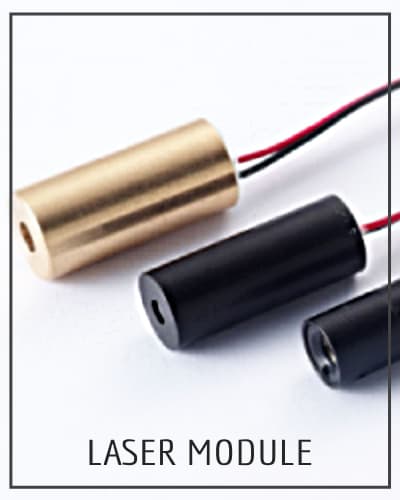
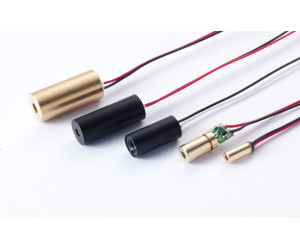
You can also explore our portfolio of laser modules, DOE optical elements, and comprehensive optoelectronic manufacturing & JDM capabilities.







Leave a Comment