Unlocking Dynamic Imaging with Global Shutter
An electronic shutter electronically turns the image sensor on and off to control exposure.
The sensor starts detecting light when activated and stops detecting light when deactivated.
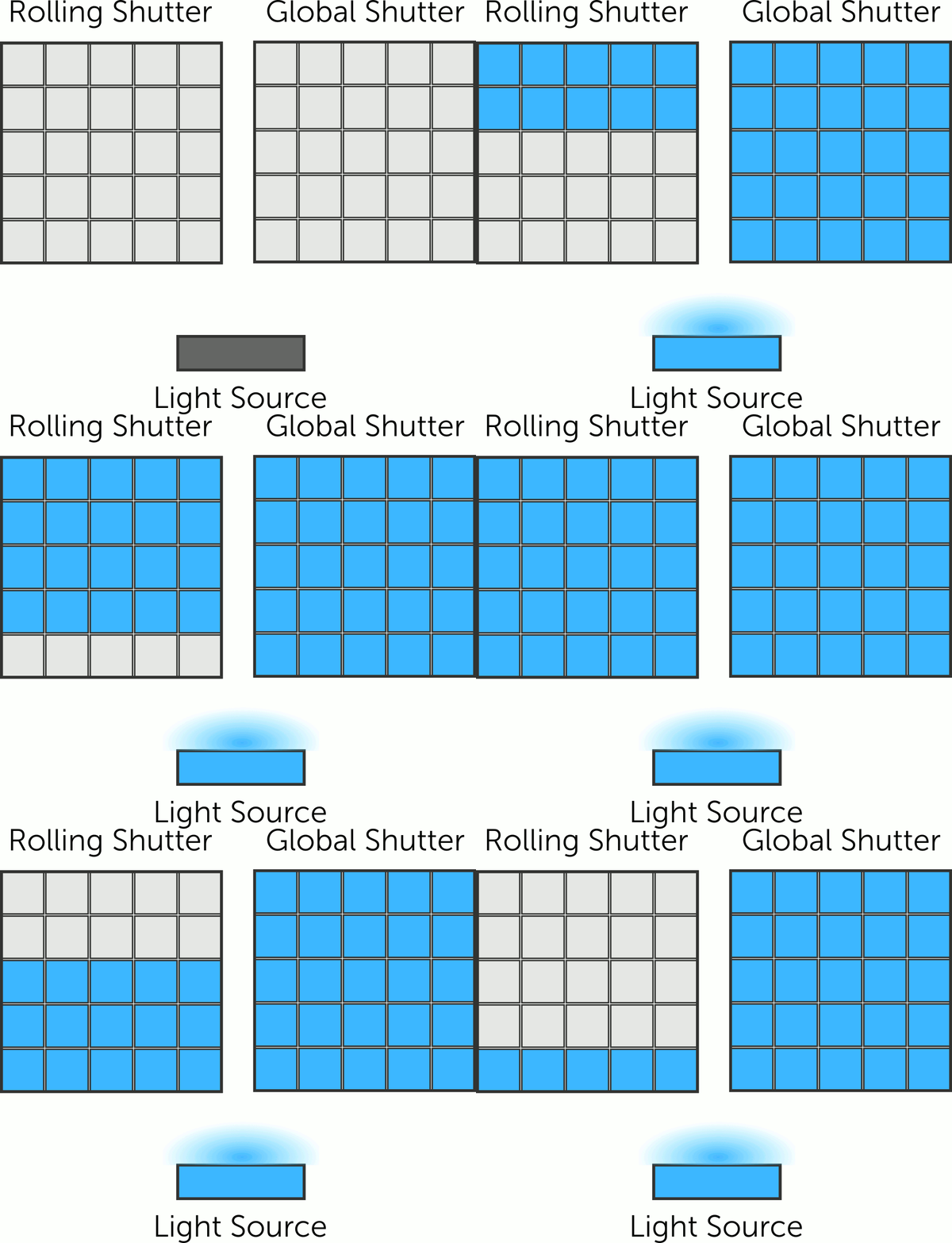
Rolling Shutter vs Global Shutter Camera Module
Rolling shutter cameras capture the scene line by line, from top to bottom, causing a time
difference between top and bottom parts. Motion or camera movement results in the distortion
known as the rolling shutter effect.
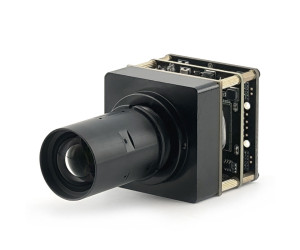
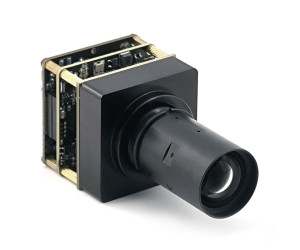
On the other hand, a global shutter camera is designed to capture an image by simultaneously
exposing all the pixels in its image sensor to light for a brief period of time. Unlike a
rolling shutter camera, which scans the image sensor row by row, a global shutter camera
captures the entire image instantaneously.
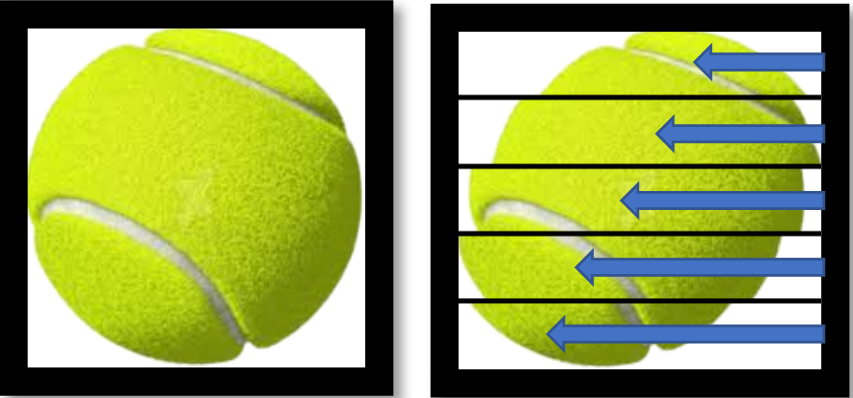
Rolling Shutter Distortion Effect
Rolling shutter distortion is an effect that can occur while using rolling shutter cameras
to capture fast-moving subjects. It is caused by the delay between the beginning and the
end of the sensor readout. This can result in vertical or horizontal lines appearing bent
or slanted, giving the image a distorted appearance.
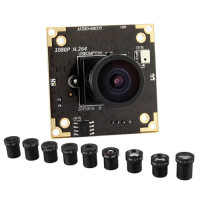
More global shutter camera module information is available at
camera sensor module introduction or
custom camera module requirements flow.