




























Customization of laser sensing and indicating system

Trucks and buses are among the most powerful tools in transportation — and in a busy loading zone, that power becomes a liability. Blind spots, engine noise, and precise parking tolerances add up to a problem no driver can solve by instinct alone. This is the story of how a laser-based guiding system helped one factory turn its loading zone from a daily source of delays and near-misses into a smooth, self-correcting operation.
Laser technology has become a familiar presence in the transportation industry. Advanced Driver Assistance Systems (ADAS) — LiDAR among them — have already proven their value, improving traffic efficiency and, more importantly, saving lives. Encouraged by these results, engineers have started extending laser-based sensing well beyond the vehicle itself, into the infrastructure around it. Intelligent guiding systems for loading zones are one of the more compelling examples of this shift.
Trucks and buses earn their keep through sheer loading capacity — but that same size creates a dangerous blind spot for drivers. Add the constant noise of a diesel engine, and drivers are often steering with reduced visual and auditory awareness at exactly the moments precision matters most. Minimizing accidents in this environment calls for a dedicated, site-specific guiding system rather than reliance on driver skill alone.
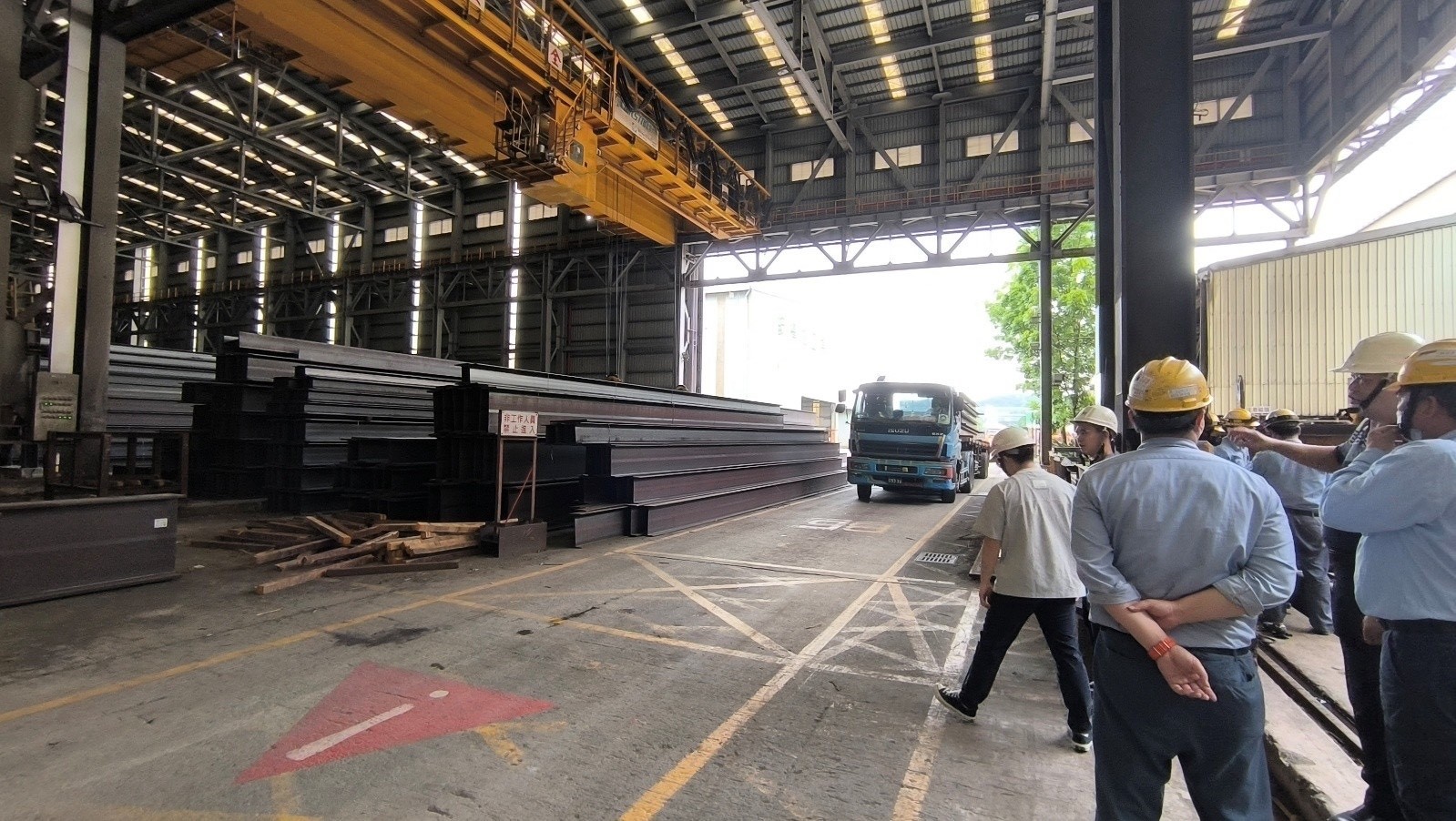
One customer's facility illustrates the scale of the challenge well. Their loading zone spans 12 lanes, with more than a thousand trucks moving through daily to deliver heavy metal products to various customer sites. Every truck has to park with real precision — if it doesn't, the overhead crane simply cannot place the metal products at the correct spot. When a truck is misaligned, it has to shuffle back and forth until the crane operator can safely unload it. That extra maneuvering isn't just inefficient — it raises the risk of truck-to-truck collisions and the kind of on-site friction that turns a logistics delay into a heated argument. For the on-site logistics manager, every one of these delays carried a real cost in both time and money, which is what drove the search for a proper solution.
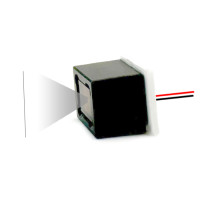
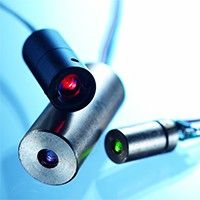
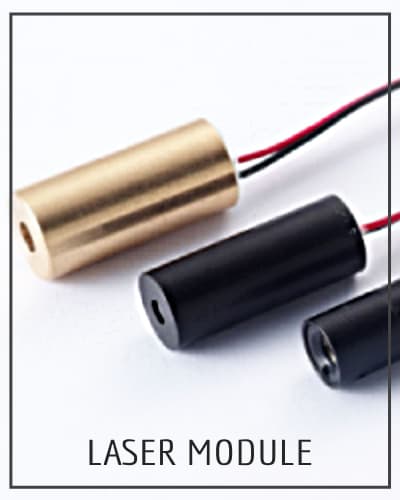
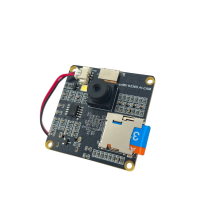
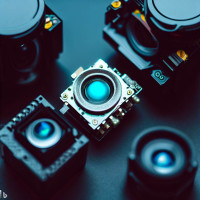
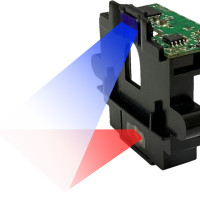
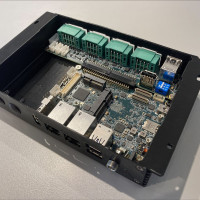
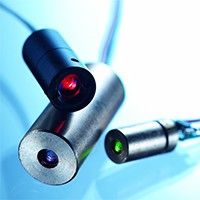
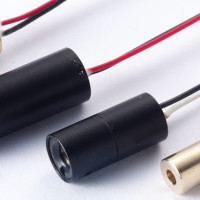
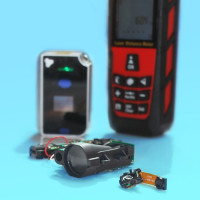
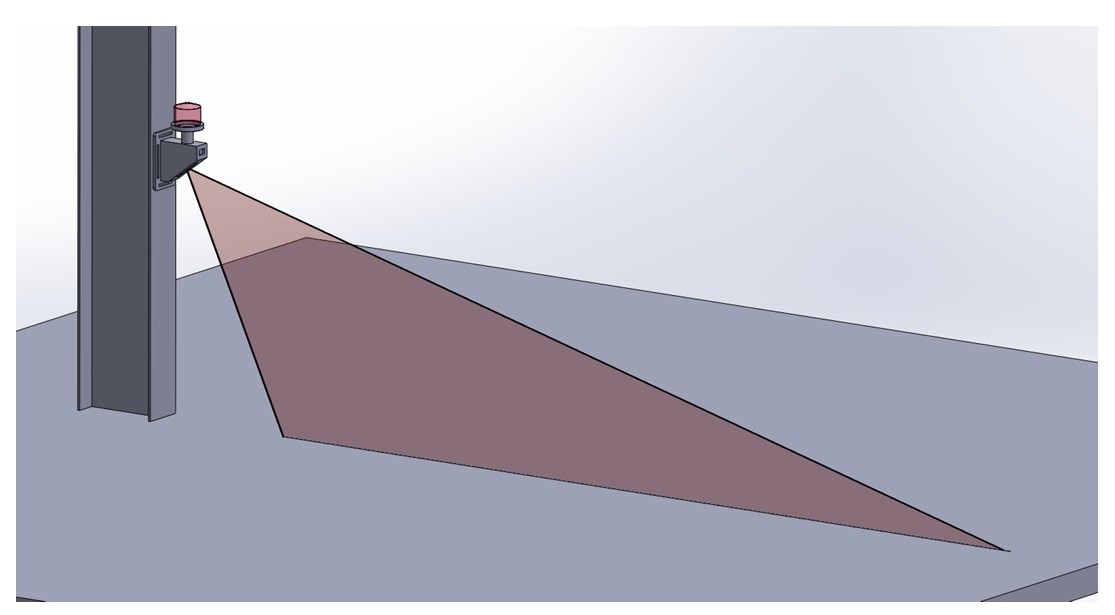
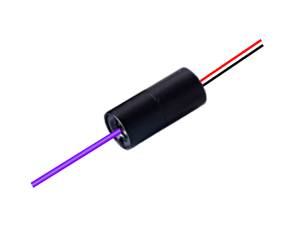
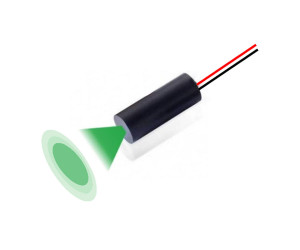
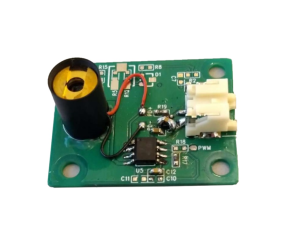
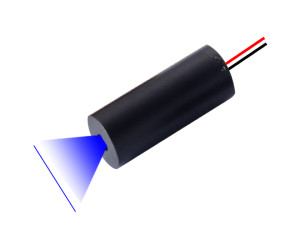
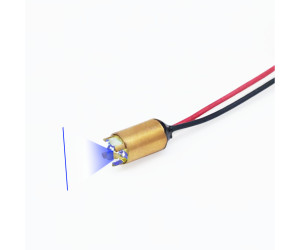
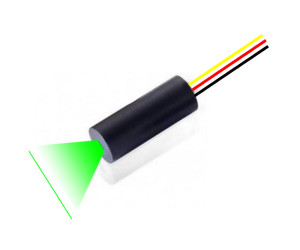
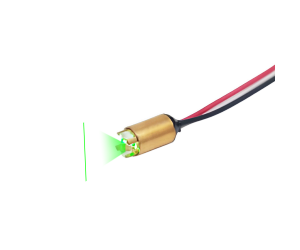
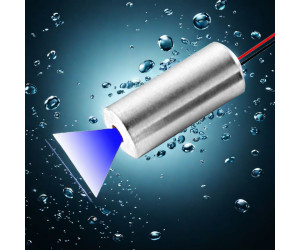
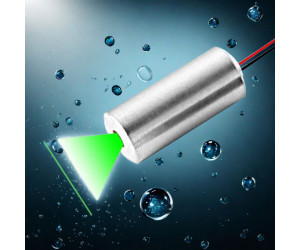
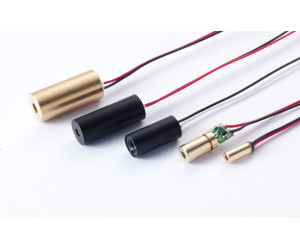
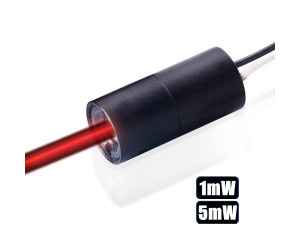
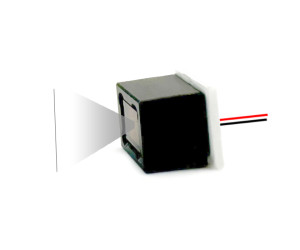
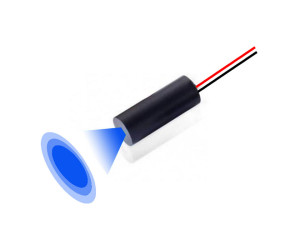
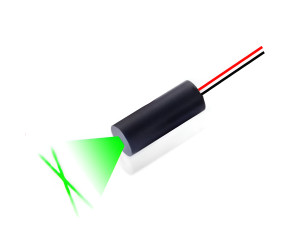
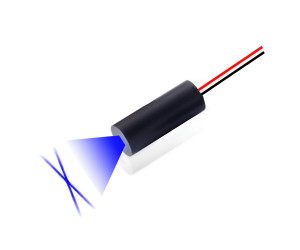
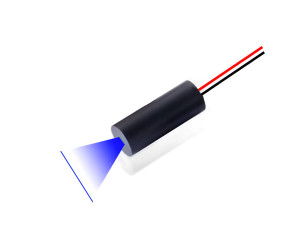
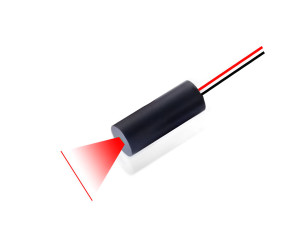
After reviewing the customer's requirements, IADIY's engineering team proposed integrating a laser range finder module and a line laser module with a customized PCBA. As a truck moves into the parking lane, the laser beam reflects back to the sensor. That returning signal is processed using time-of-flight (TOF) ranging, allowing the IADIY laser range finder module to output precise distance data to a microprocessor on the custom board.
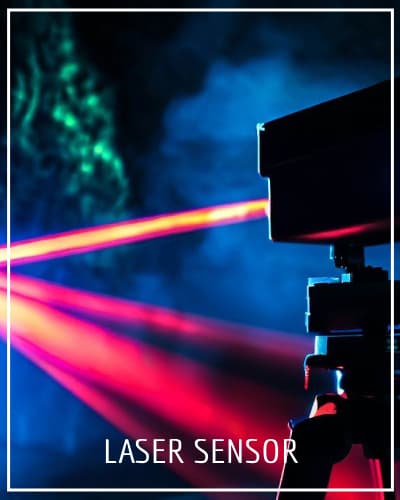
Based on the customer's configured parking thresholds, the microprocessor triggers a positive signal that lights up a laser indicator and sounds a buzzer to alert the driver. Faced with a bright laser warning and an insistent alarm, the driver knows immediately that the truck has missed the correct parking position. Since there's no way to silence the alarm other than correcting position, drivers are guided naturally into the right spot — improving both parking traffic flow and overall operational efficiency.
How the system works
- Sense: A laser range finder and line laser module continuously measure the truck's position as it enters the lane.
- Calculate: Distance data is processed via time-of-flight (TOF) ranging on a custom PCBA.
- Alert: Out-of-position trucks trigger a laser light and buzzer — active until the driver corrects position.
- Result: Faster, safer parking with fewer crane delays and fewer truck-to-truck near-misses.
THS system inquiry overview
Translating the concept into hardware meant designing an enclosure and mounting scheme that could withstand daily exposure to a heavy-industry loading zone — dust, vibration, and weather included — while keeping the laser and sensor alignment stable over thousands of parking cycles.
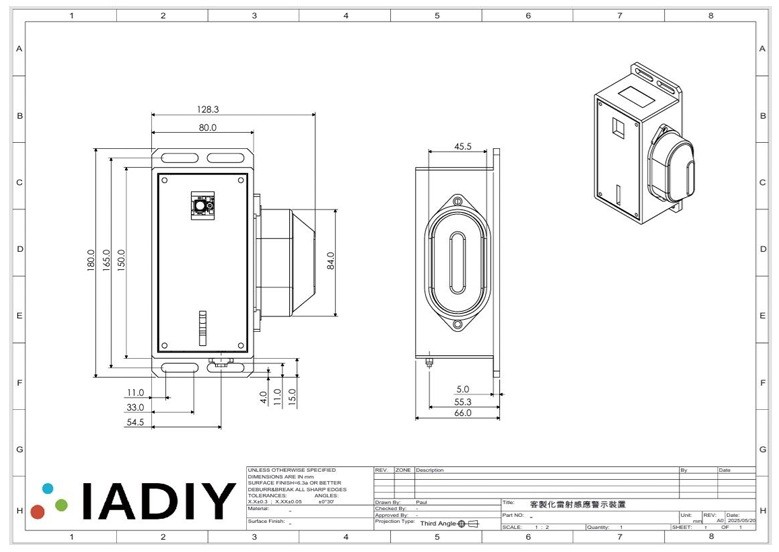
With the mechanical design validated, the system moved into final assembly — combining the laser range finder, line laser module, custom PCBA, and alert hardware into a single field-ready unit.
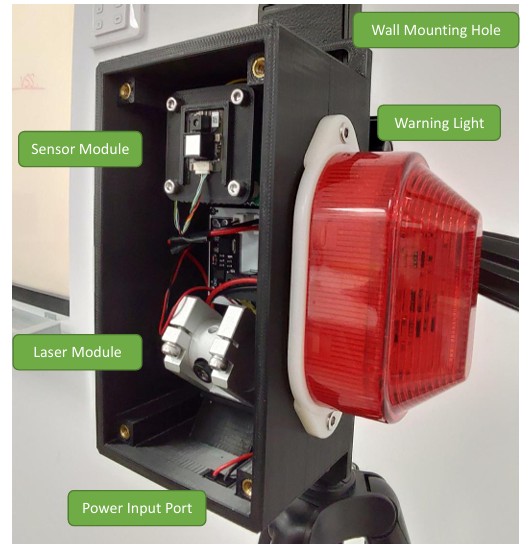
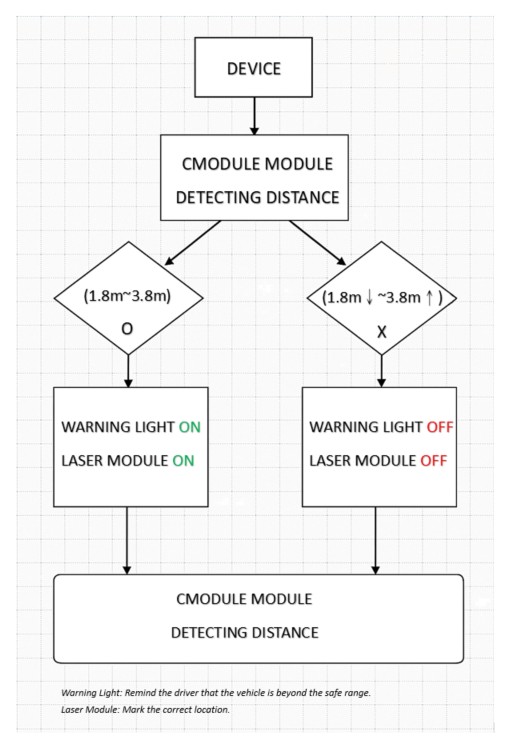
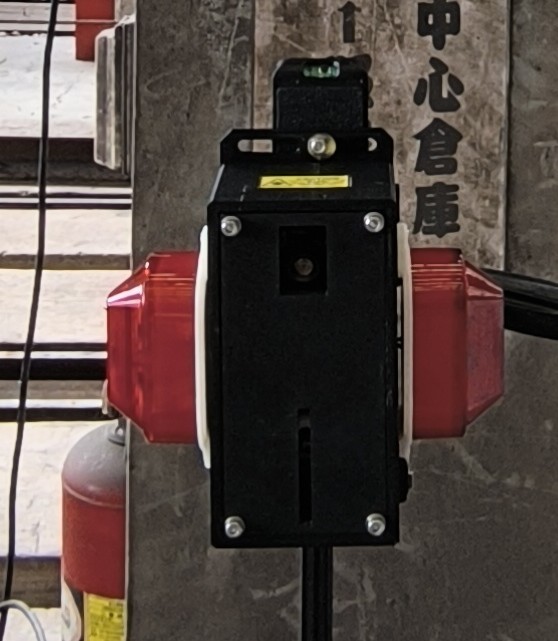
The final step was deployment across all 12 lanes of the customer's loading zone — putting the system to work in exactly the conditions it was designed for.
Facing similar blind-spot or precision-parking challenges in your loading zone or facility?
Discuss Your Application With Our Engineers →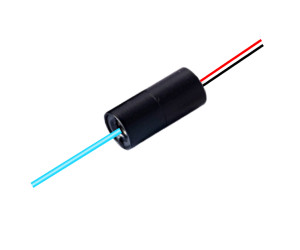







Leave a Comment