
































The Future is Here! AI and Photonics Leading a New Era

The Future is Here! AI and Photonics Leading a New Era
In This Article
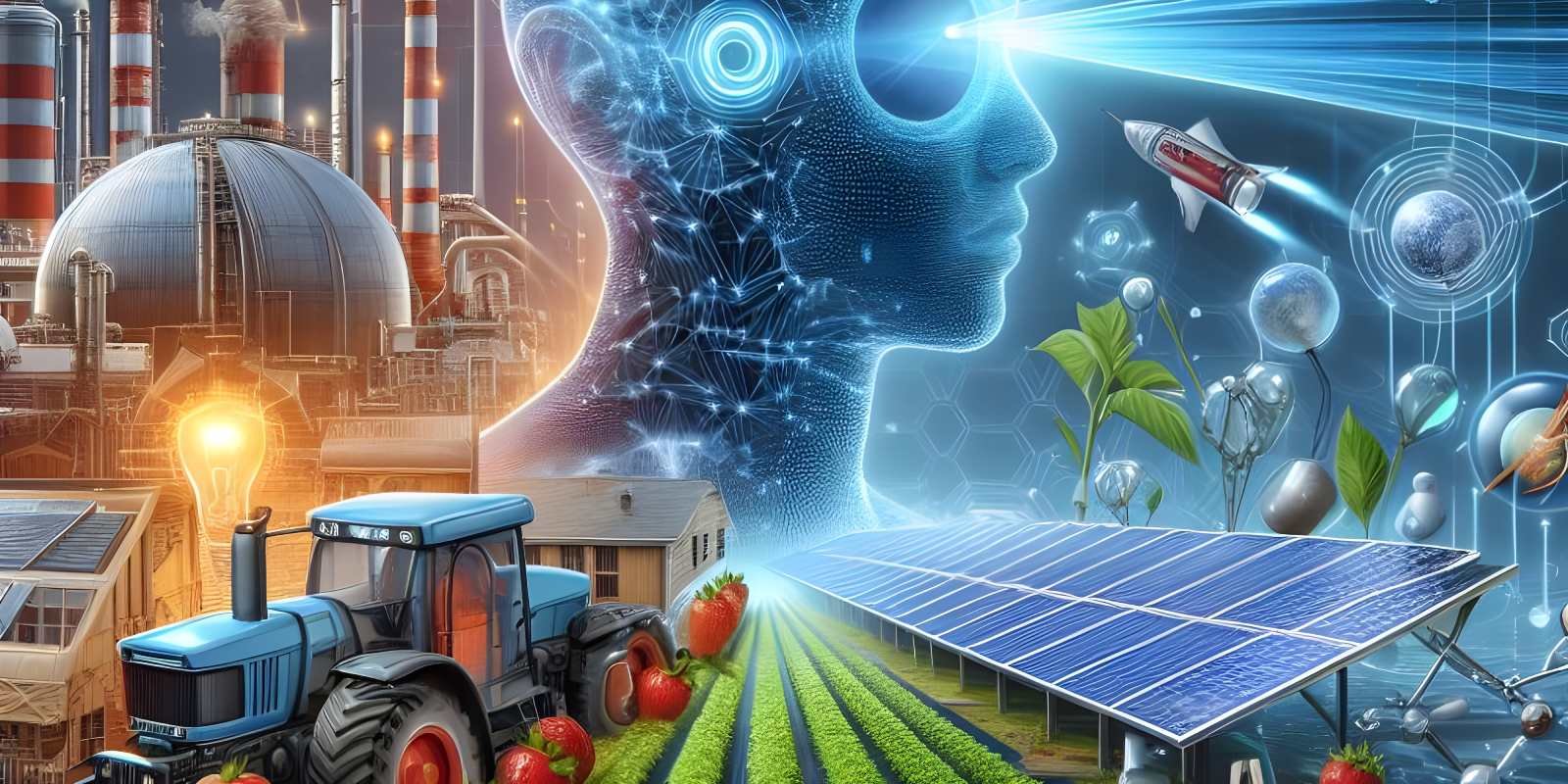
Welcome to the future, where artificial intelligence (AI) and photonics are revolutionizing our world. This article explores how these two cutting-edge technologies are merging to create unprecedented advancements across various sectors.
AI and photonics are at the forefront of technological innovation. AI, with its ability to mimic human intelligence, and photonics, the science of light, are creating a synergy that is transforming industries, enhancing everyday life, and paving the way for a smarter future.
Artificial intelligence refers to the simulation of human intelligence in machines. These systems are designed to learn from experience, adapt to new inputs, and perform tasks that typically require human cognition, such as recognizing speech, making decisions, and translating languages.
The concept of AI has been around for decades, but significant advancements have occurred in recent years. From early theoretical work to the development of powerful algorithms and machine learning models, AI has evolved into a sophisticated technology that is now integral to many applications.
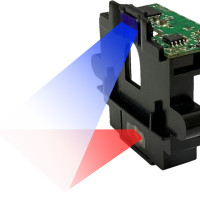
Photonics is the science and technology of generating, controlling, and detecting photons, which are particles of light. It encompasses a wide range of applications, including fiber optics, laser technology, and optical sensors, all of which play crucial roles in modern communication, manufacturing, and medical devices.
Key photonic technologies include lasers, optical fibers, and photodetectors. These components are essential for transmitting information at the speed of light, enabling high-speed internet, precise medical instruments, and advanced manufacturing processes.
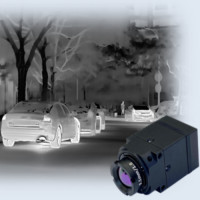
AI algorithms can optimize the performance of photonic systems. For example, AI can improve the accuracy of optical sensors, enhance image processing capabilities, and manage complex networks of fiber optic cables, resulting in more efficient and reliable systems.
Conversely, photonics enhances AI by providing faster data transmission and processing. Photonic chips, which use light instead of electricity to transfer data, can significantly increase the speed and efficiency of AI computations, leading to more powerful and responsive AI systems.
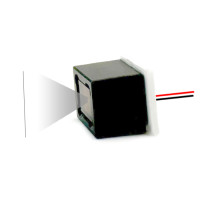
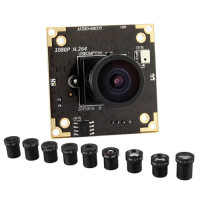
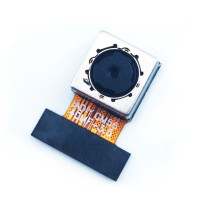
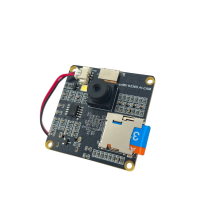
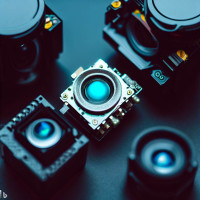
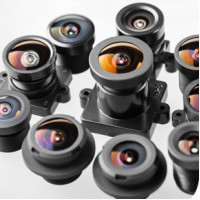
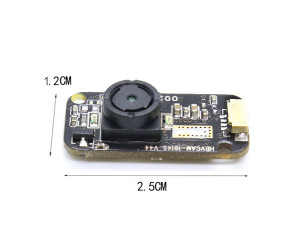
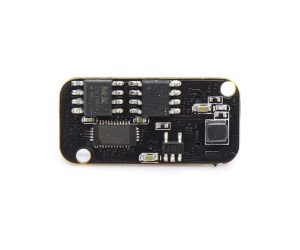
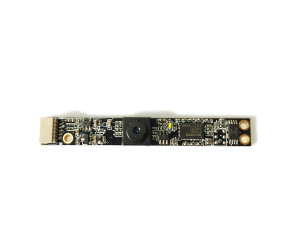
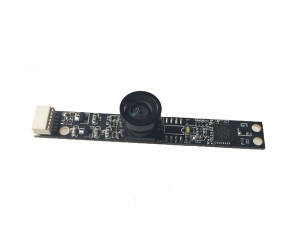
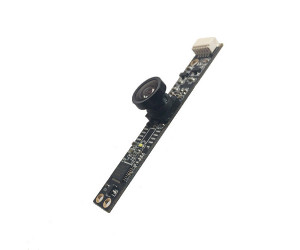
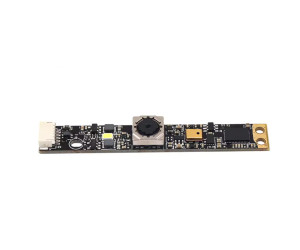
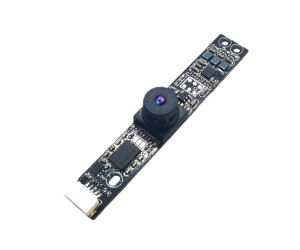
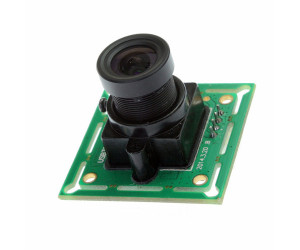
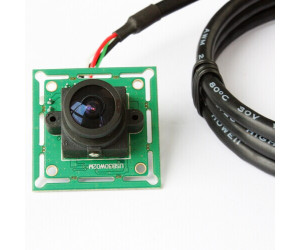
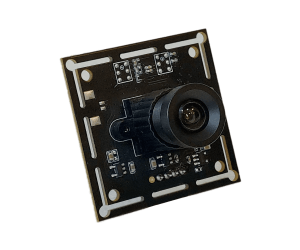
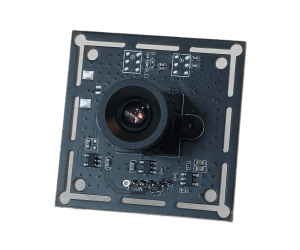
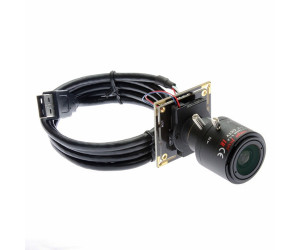
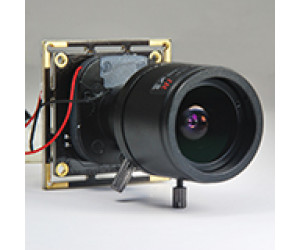
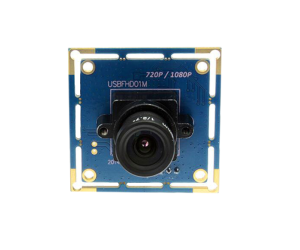
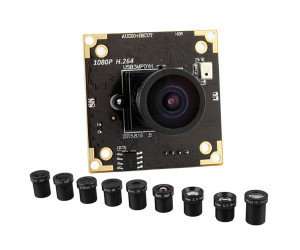
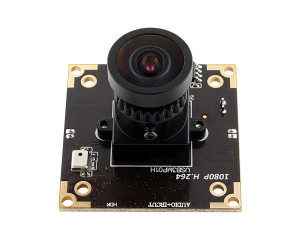
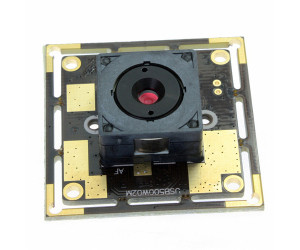
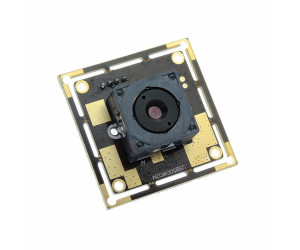
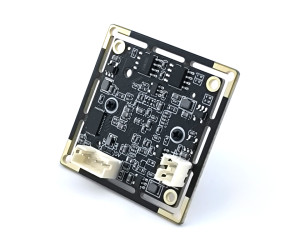
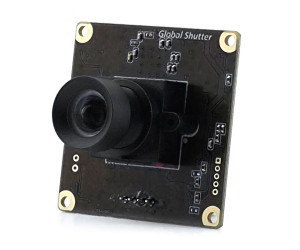
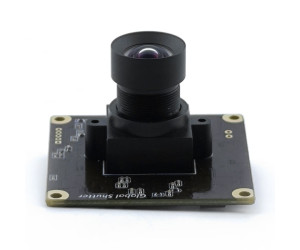
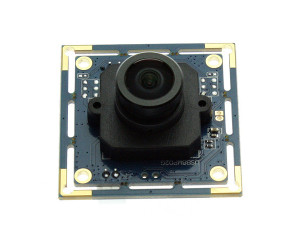
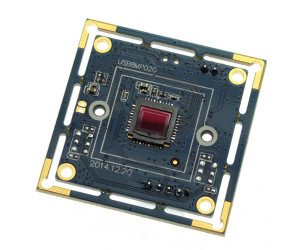
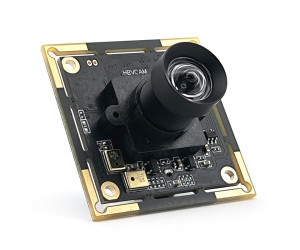
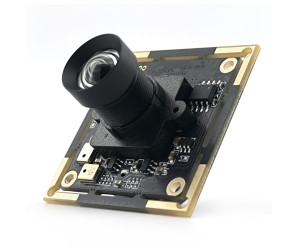
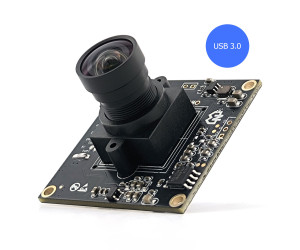
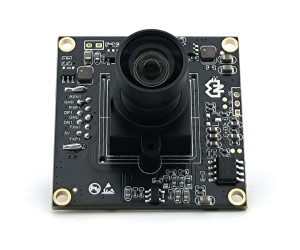
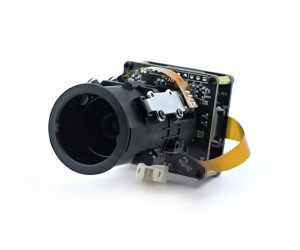
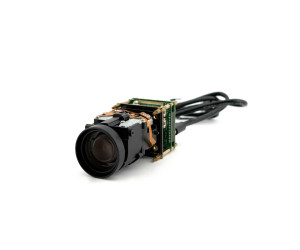
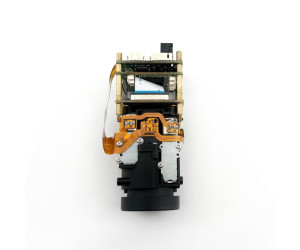
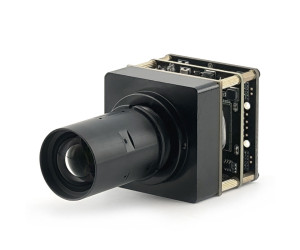
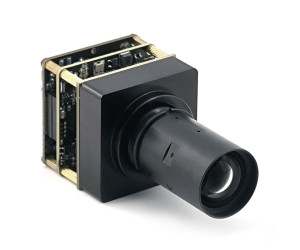
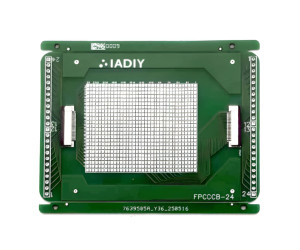
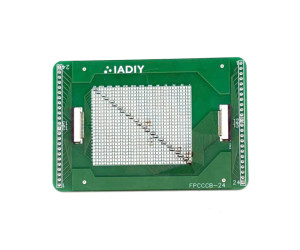
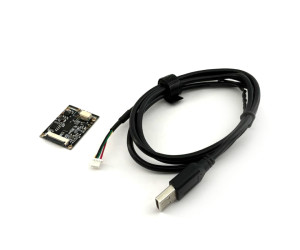
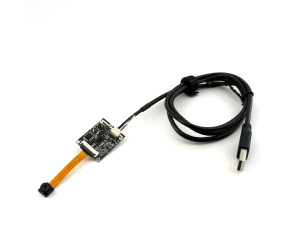
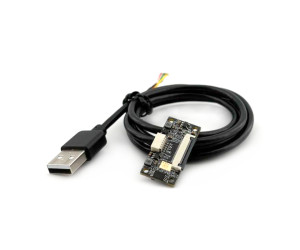
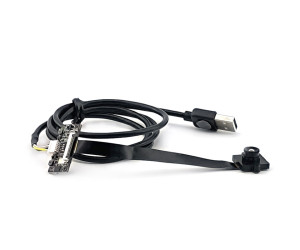
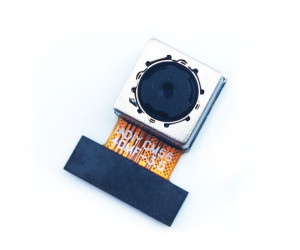
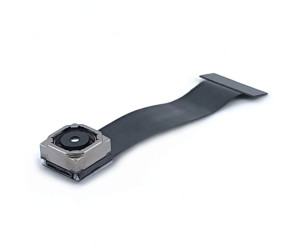
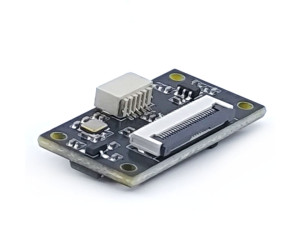
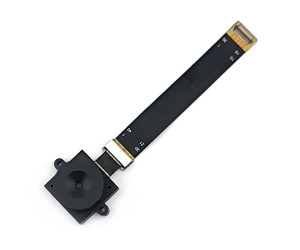
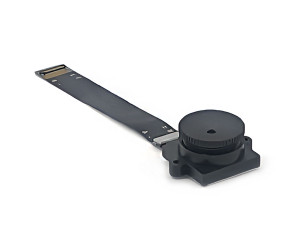
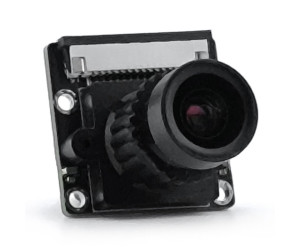
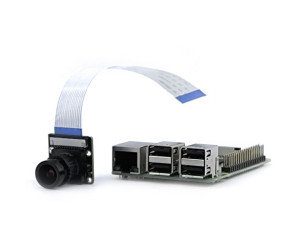
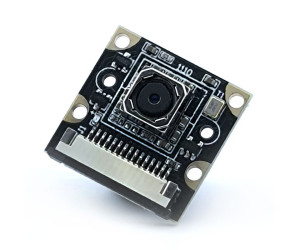
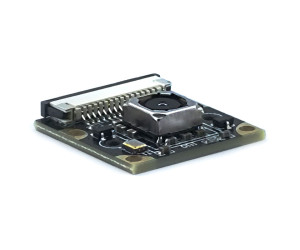
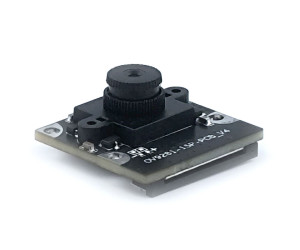
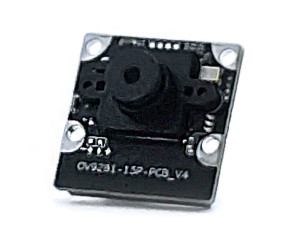
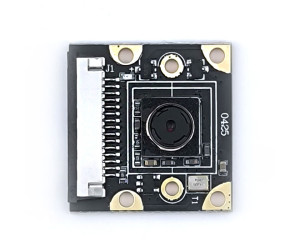
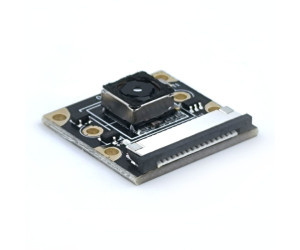
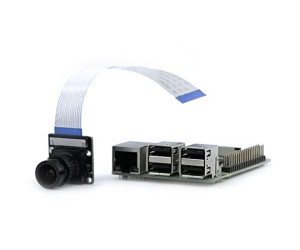
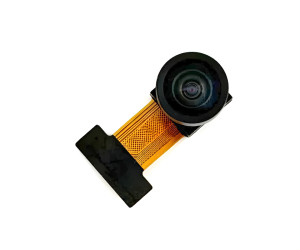
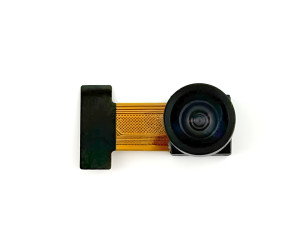
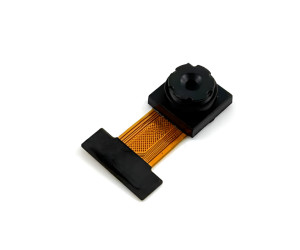
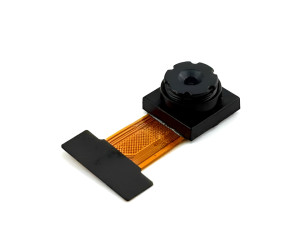
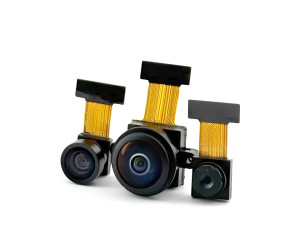
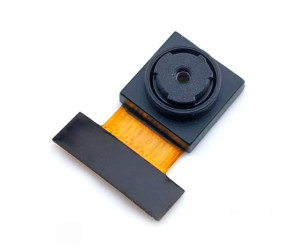
Camera modules are integral components of smartphones, allowing users to capture high-quality photos and videos. AI enhancements further improve image quality and provide features such as portrait mode and night mode.
Optical communications, which use light to transmit information, are essential for high-speed internet and telecommunications. AI optimizes these networks, ensuring data is transmitted efficiently and securely, leading to faster and more reliable internet connections.
AI and photonics are integral to the development of smart homes and cities. From intelligent lighting systems that adjust based on occupancy to advanced security systems that use facial recognition, these technologies are making our living spaces more convenient, safe, and energy-efficient.
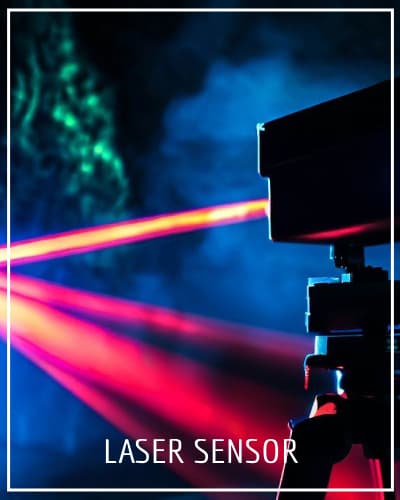
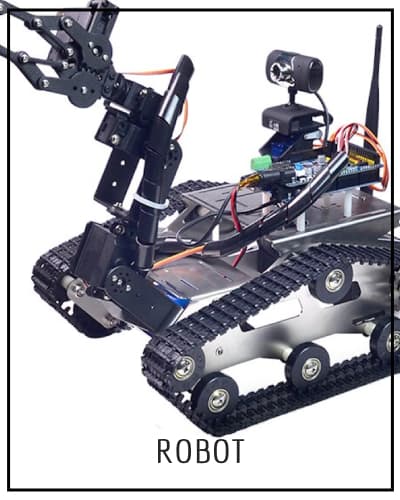
In manufacturing, AI and photonics enable precision automation and quality control. AI-driven robots equipped with laser sensors can perform complex tasks with high accuracy, while optical inspection systems ensure that products meet stringent quality standards.
Photonics-based inspection systems use laser and optical technologies to detect defects and ensure product quality. When combined with AI, these systems can analyze data in real-time, identifying issues and making adjustments to improve manufacturing processes.
The future of AI and photonics is full of exciting possibilities. Emerging trends include quantum computing, which uses photonic technologies for faster data processing, and AI-driven advancements in personalized medicine, smart infrastructure, and beyond.
Despite their potential, AI and photonics face challenges such as ethical considerations, data privacy concerns, and the need for substantial investment in research and development. However, these challenges also present opportunities for innovation and growth.
AI and photonics are driving forces behind numerous technological advancements, impacting various sectors including healthcare, manufacturing, environmental monitoring, entertainment, and security. Their powerful synergy enhances performance, efficiency, and innovation, transforming our everyday lives and industries.
The future of AI and photonics holds immense potential. Continued research and development will unlock new applications and capabilities, fostering a smarter, more connected world. However, addressing ethical considerations and societal impacts will be crucial to harnessing these technologies responsibly and sustainably.





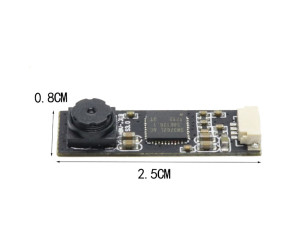
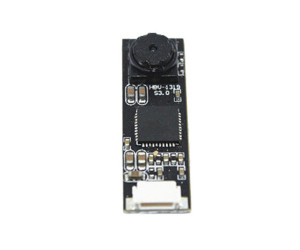



















-300x250h.jpg "DVP Camera Module 3M – DCM3M120M7")


Leave a Comment